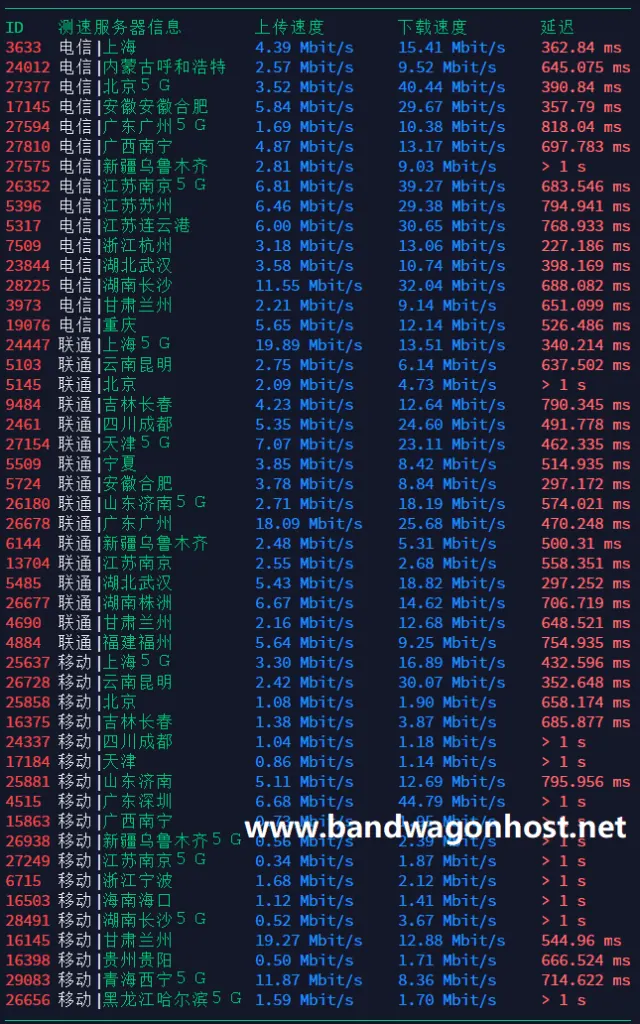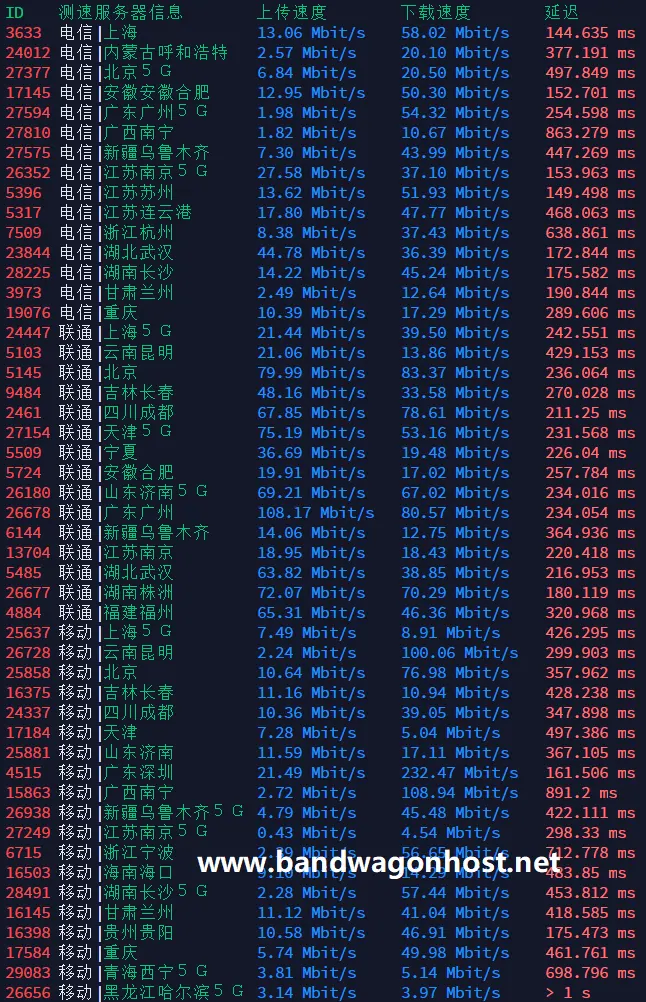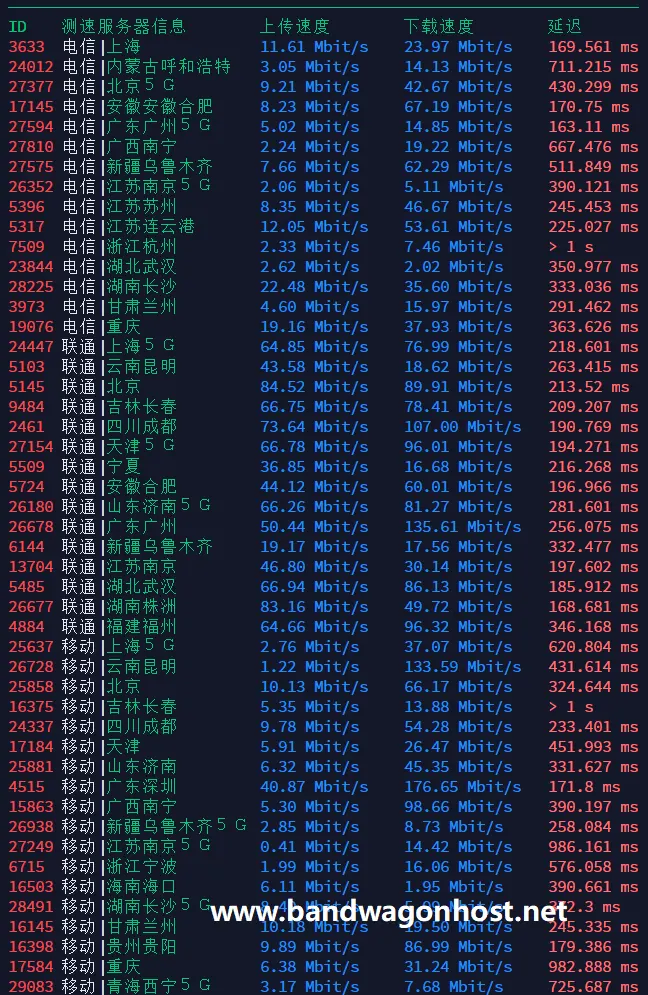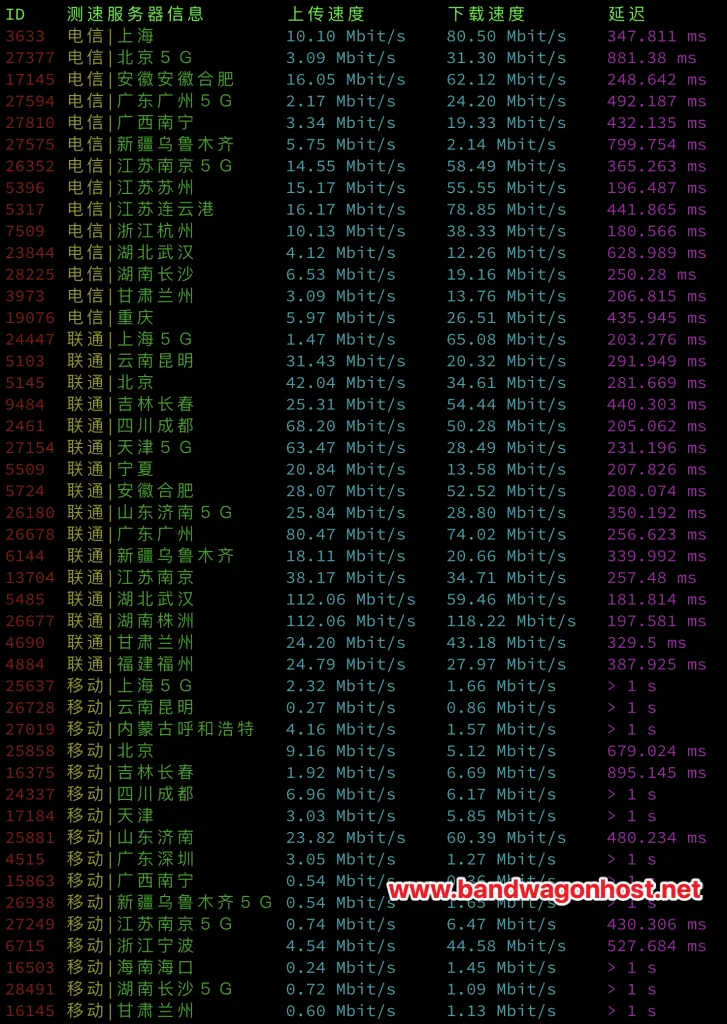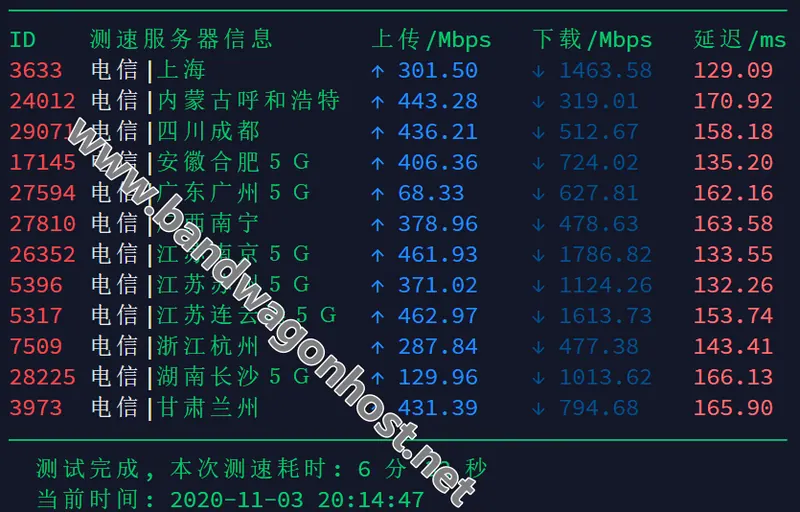
Telecom comparison of four data centers in Los Angeles: DC6, DC9, DC3 and DC8
The same 2020 telecommunications sample side-by-side displays several data centers for GIA and regular lines to facilitate observation of cross-regional differences.
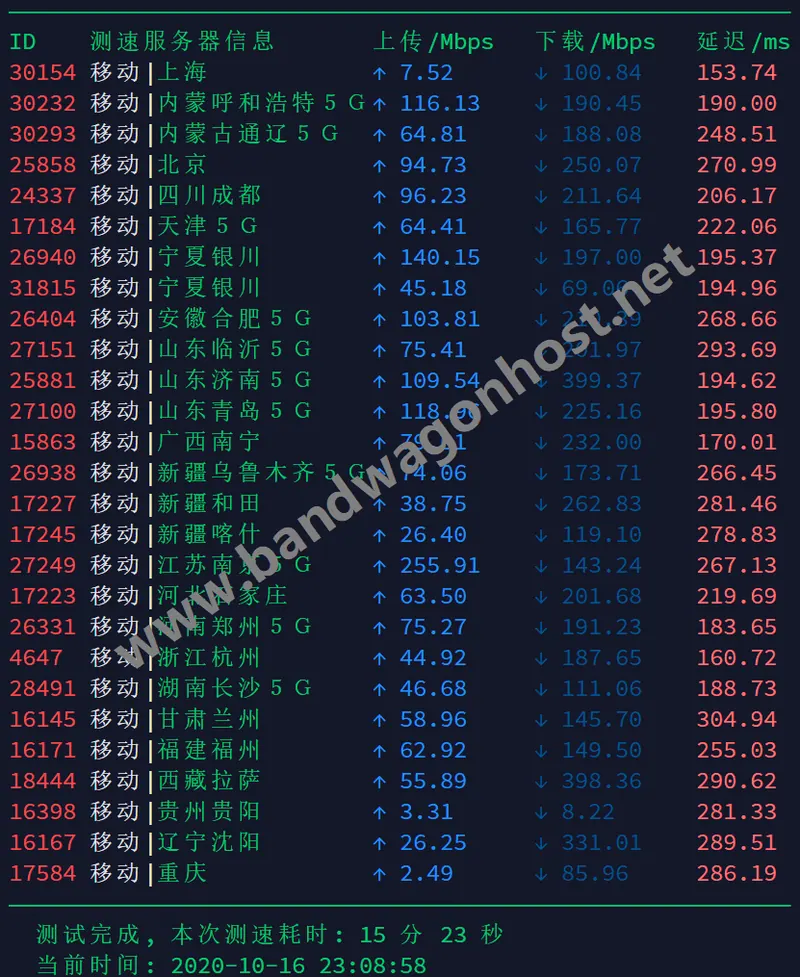
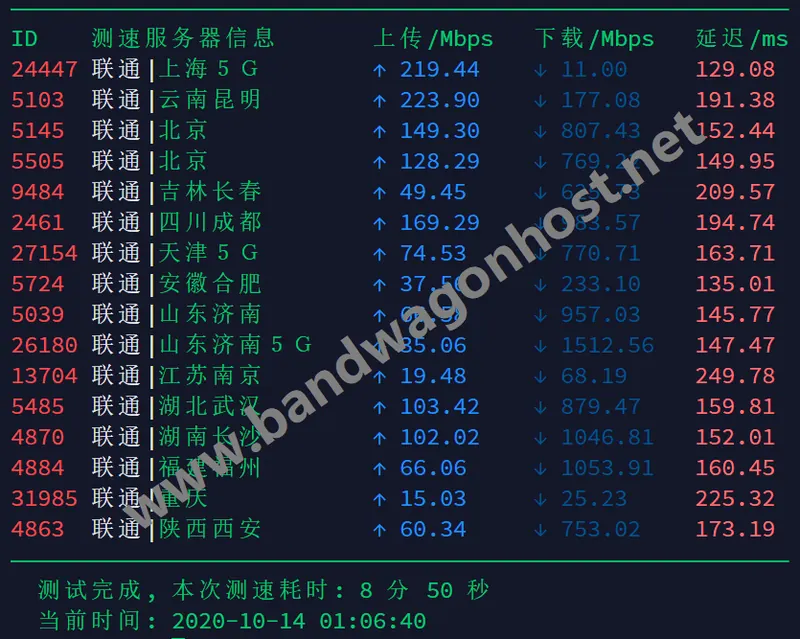
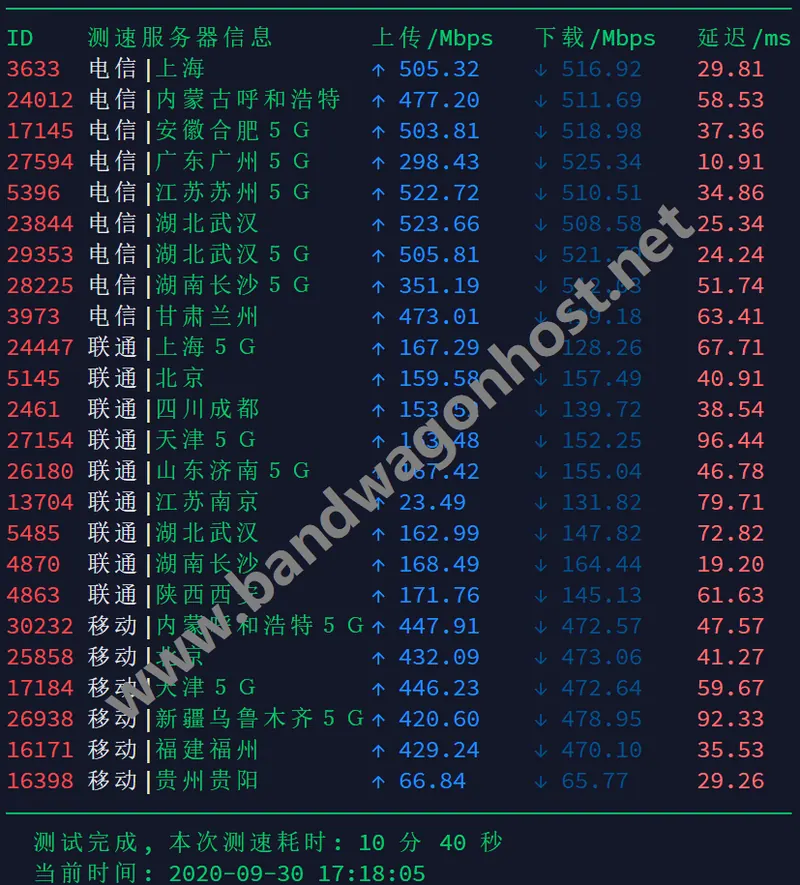
In this round of mobile node speed testing, DC9 showed the best download performance, while DC6 was relatively balanced.
The same group of tests in October 2020 covered four data centers in Los Angeles.
The 2020 Hong Kong data center data distinguished HKHK_8 from earlier PCCW nodes. HKHK_8 was labeled as Hong Kong CN2 GIA in the report, with China Telecom's backhaul using CN2 GIA, while China Mobile and China Unicom samples used their respective direct connections.
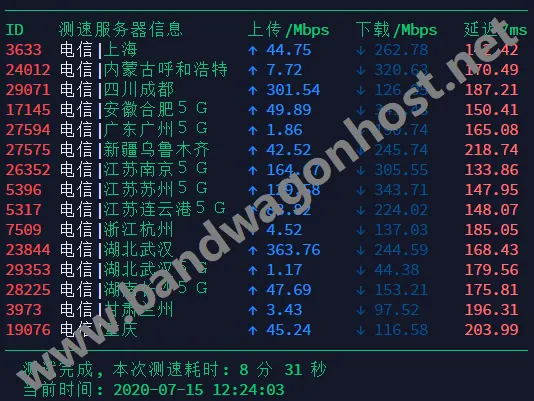
In the measurements conducted in July 2020, even though both locations were in Wuhan, there were significant differences in the performance of the China Telecom and Wuhan 5G measurement points.
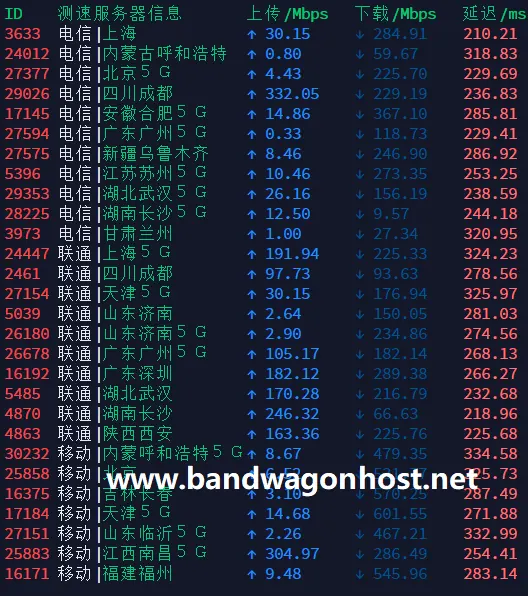
According to a May 2020 report on Dutch data centers, the average response time in Europe was about 28 milliseconds, while the readings from different operators in mainland China were significantly higher, with China Unicom's sample averaging about 353.6 milliseconds.
Historical tests at the New York data center revealed a significant latency difference between neighboring US test sites and test sites in mainland China.
USNJ is located on the east coast of the United States.
In the March 2020 sample, China Unicom's measured speed was higher, while China Telecom's measured latency was lower.
The retest in March 2020 occurred after DC8 was rebranded as ZNET and the original CN2 GT access was cancelled.
In the USCA_FMT records from February 21, 2020, China Unicom led in download performance, followed by China Telecom, and then China Mobile.
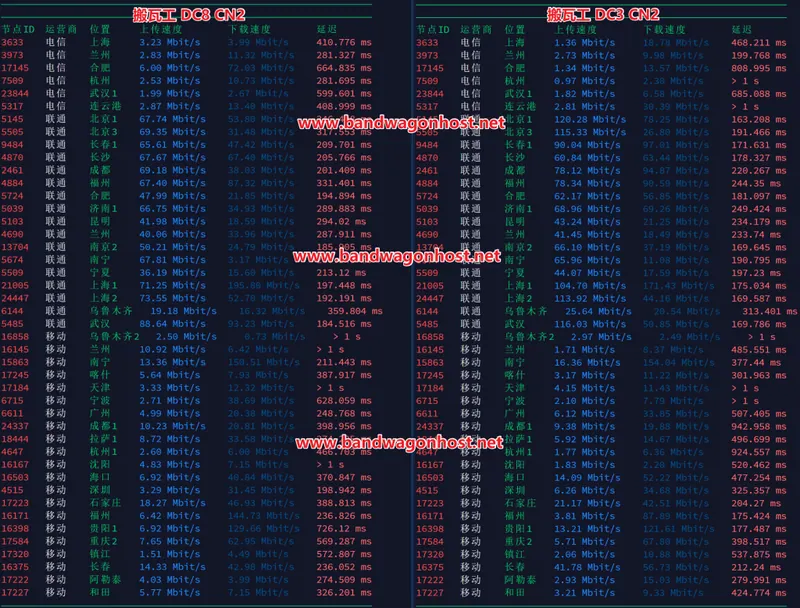
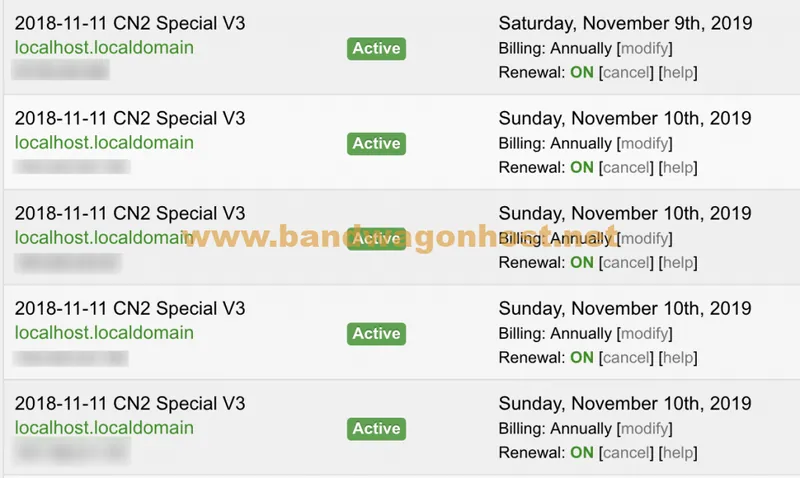
The comparison in December 2019 used the same configuration from the 2018 Double Eleven shopping festival. Both machines had BBR enabled, and the download speed and latency of DC3 and DC8 were observed simultaneously around 8 PM.
In this round of evaluation, latency was collected in addition to network speed, and the fastest, slowest and average values were listed separately.
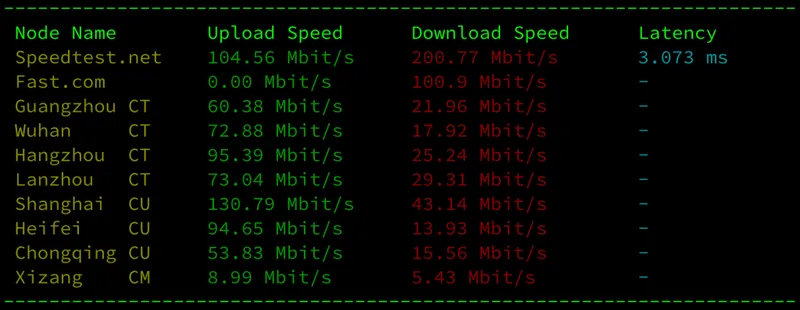
In this sample, the report recorded inbound speeds of at least 2.5 Gbps and outbound speeds of over 1 Gbps.
The Hong Kong PCCW data center was labeled HKHK_1 on the old control panel, with the corresponding name being Hong Kong MCX10. The source provides average latency figures for the three major mobile networks: China Unicom 35.5 milliseconds, China Mobile 72.0 milliseconds, and China Telecom 103.7 milliseconds.
This observation focuses on the historical limited tier with an annual fee of $39.99, and separately analyzes download speed and latency.
The sources are compiled from historical tests in Hong Kong, Los Angeles, Fremont, New York, the Netherlands, and other regions. Before comparison, the testing conditions need to be standardized.
Historical tests grouped the results with and without BBR enabled and checked the bandwidth separately.
The DC6 packages, compared to the source, range from 2.5 Gbps to 10 Gbps, while the DC9's historical standard package is 1 Gbps.
There were differences in disk read/write speeds during the retest compared to the first day of operation.
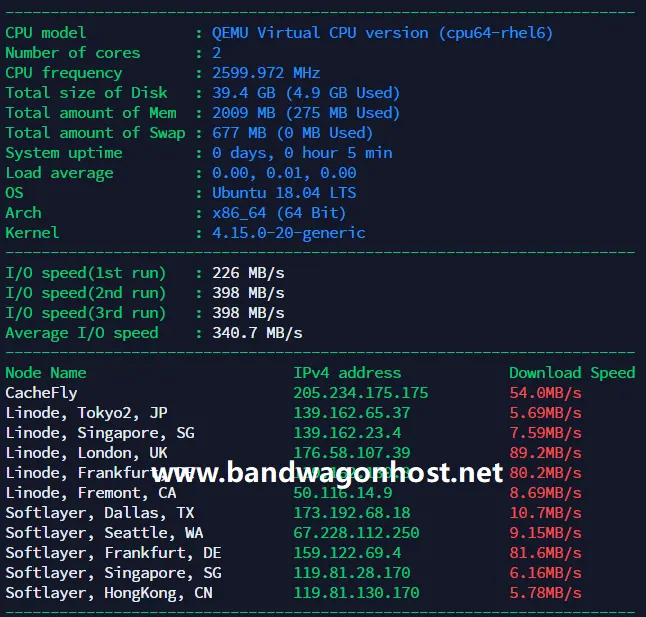
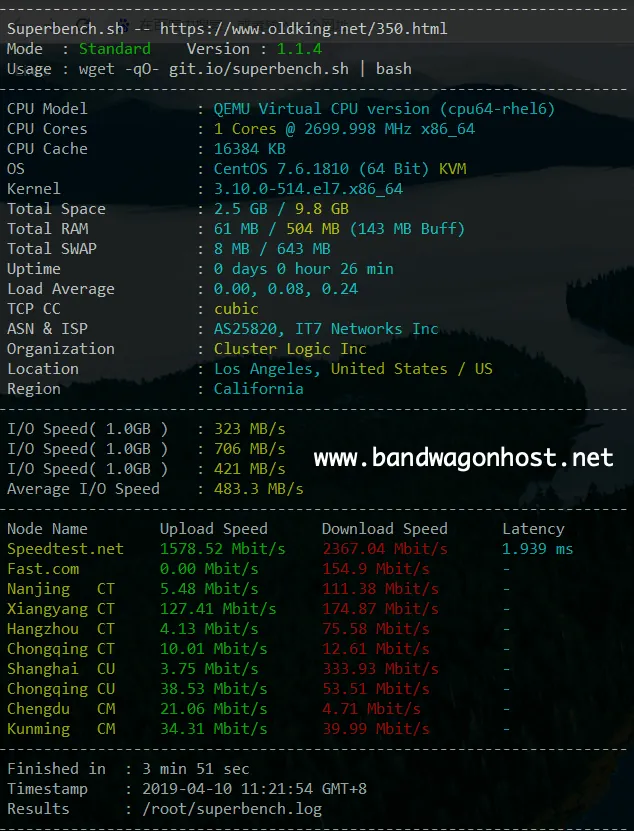
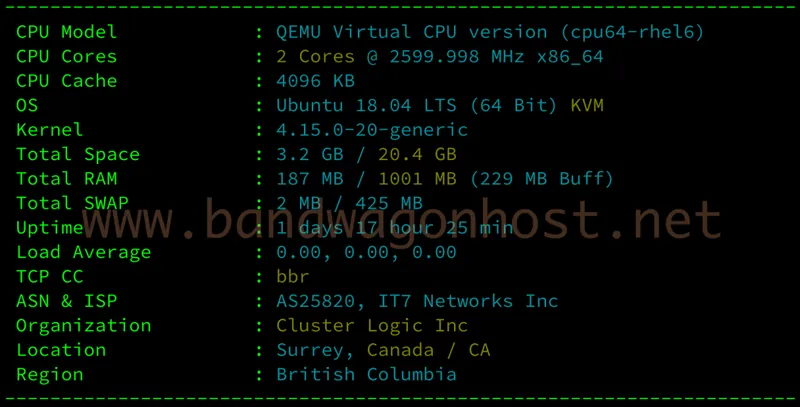
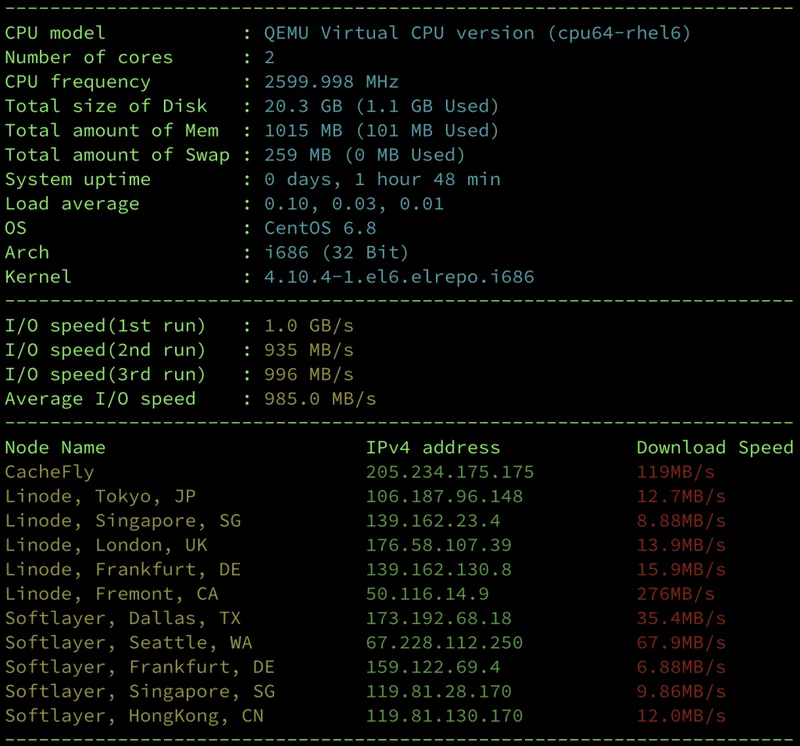
The records when the data center is put into use cover hard drive performance, file downloads, and return paths.
Network speed is commonly measured in Mbps, while file transfer speed is commonly measured in MB/s; 8 Mbps equals 1 MB/s.
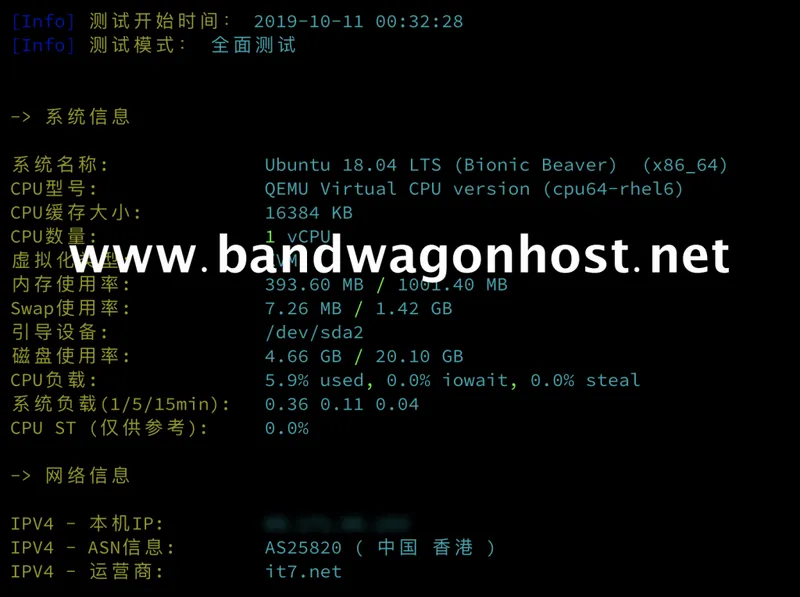
The reviewer used an instance located at DC8 CN2 and collected download and return information during the evening peak hours.
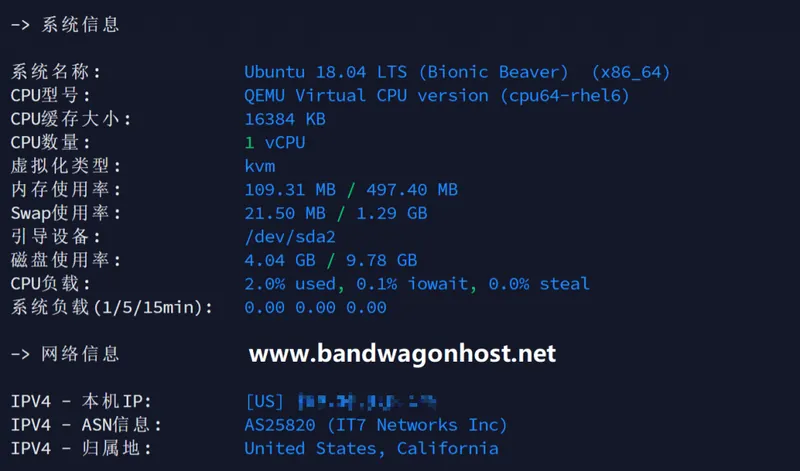
This historical record is for OpenVZ solutions and includes speed, disk and backhaul information after enabling BBR.