Historical Data Center Evaluation
Route archives for CABC_1 in Vancouver, Canada (2018)
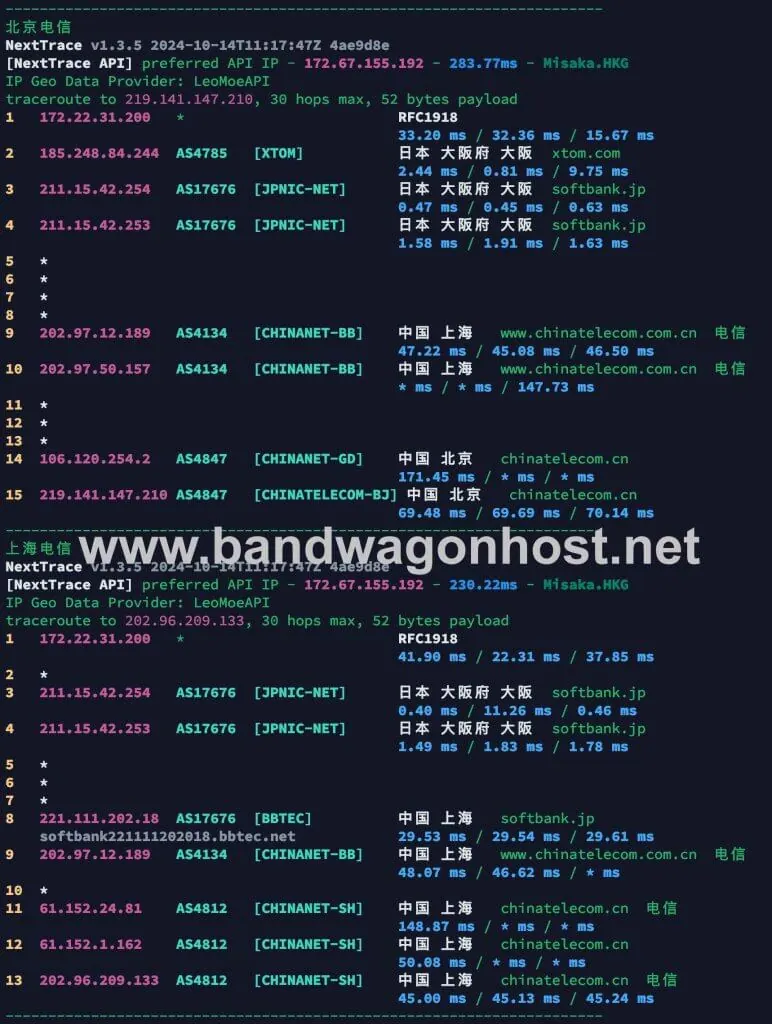
The sources record hard drive read/write speeds, download times, latency, and routing in both directions, and also list system benchmark scores.
 BandwagonHost Guide
The sources record hard drive read/write speeds, download times, latency, and routing in both directions, and also list system benchmark scores.
The test subject is a 40G instance of GIA BETA.
The sources are listed separately as hard drive read/write, download, routing, and benchmarking.
The product descriptions in the source records are marked with "Automatic migration between datacenters" to indicate that the migration scheme is supported.
Measure latency and download speeds from actual visitor networks, comparing them over the same time period. Test address, line, and time should be recorded along with the results.
In the previous test, one Shanghai Unicom sample reached about 100 Mbps, but the results were different in other access areas.
The document describes the return path from the VPS side to multiple target nodes and explains why the author merged and organized the independent records from multiple regions.
The original test separated data from international testing sites such as Japan, Singapore, London, Seattle, and Hong Kong with data from mainland Chinese operators.
The samples from China Telecom and China Unicom, compared to some mobile samples from the same round, scored over 1200 points in UnixBench.
Virtualization architecture, network lines, and data center permissions are three separate criteria. Filtering by purpose is more reliable than sorting by package name or starting price.
The return sample was listed separately in this retest.
This article presents further testing of the MCOM data center, showcasing observations based on latency, backhaul, and bandwidth.
In historical sampling, some telecommunications lines had speeds exceeding 100 Mbps, and there were also results from China Unicom and China Mobile.
The 2018 data contains 12 different codes. Each percentage retains the current period's record for easy verification of historical invoices.
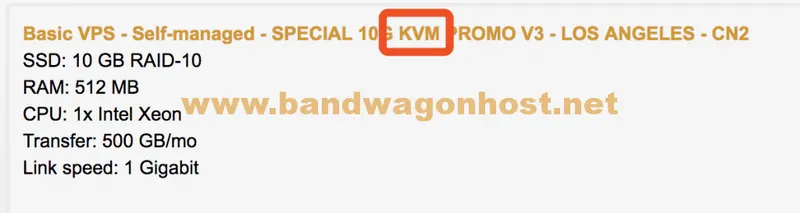
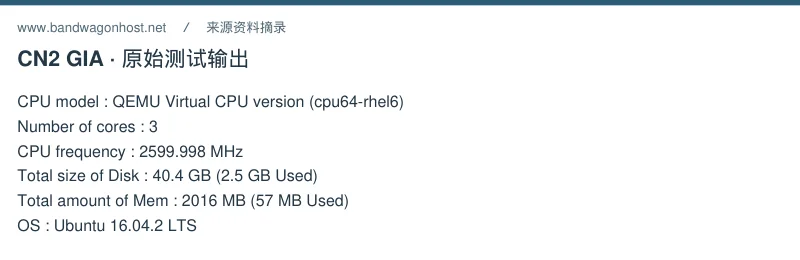
The case study from July 2018 used Ubuntu 16.04 LTS and KVM.
Virtualization type, line name, and migrated data center are three separate fields.
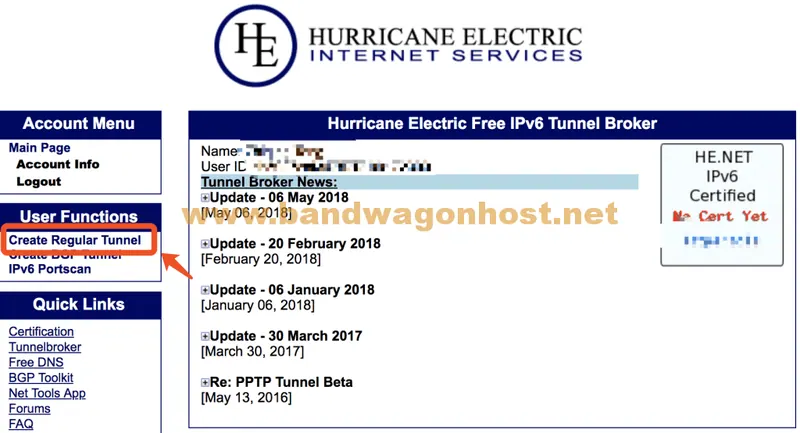
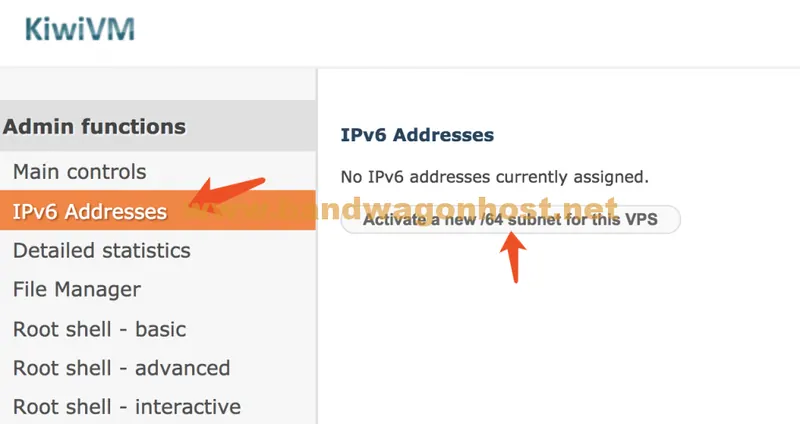
Older OpenVZ instances have a separate IPv6 address page within KiwiVM. Records from 2018 show that activating the /64 subnet required a reboot to take effect.
In the old directory, VZ stands for OpenVZ.
The 734104 error message recorded in 2018 indicates that the selected target data center does not currently have capacity available for migration, and the page suggests trying again in a few hours.
Before changing your service IP address, verify the instance and billing information. After completion, synchronously check domain name resolution, allowed lists, and monitoring.
First, narrow down the options by available regions and budget, then compare the access performance of commonly used networks. Different data centers in the same city may use different lines.
The original tester used their own $46.99 annual subscription for testing, while also mentioning other entry-level prices.
Based on publicly available testing resources for DC9, distinguish between test files, network throughput, and routing observations.
The early records also show the access paths of the three carriers and the hard drive performance of the newly deployed instance.