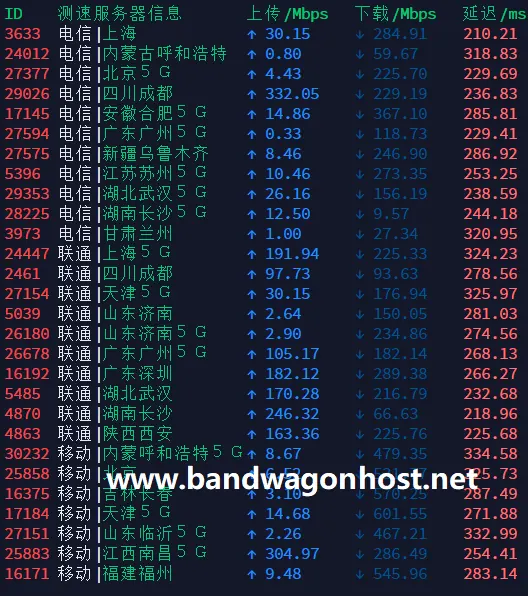
USNY_2 Review: Average Latency and Node Range for Intercontinental Access
Historical tests at the New York data center revealed a significant latency difference between neighboring US test sites and test sites in mainland China.
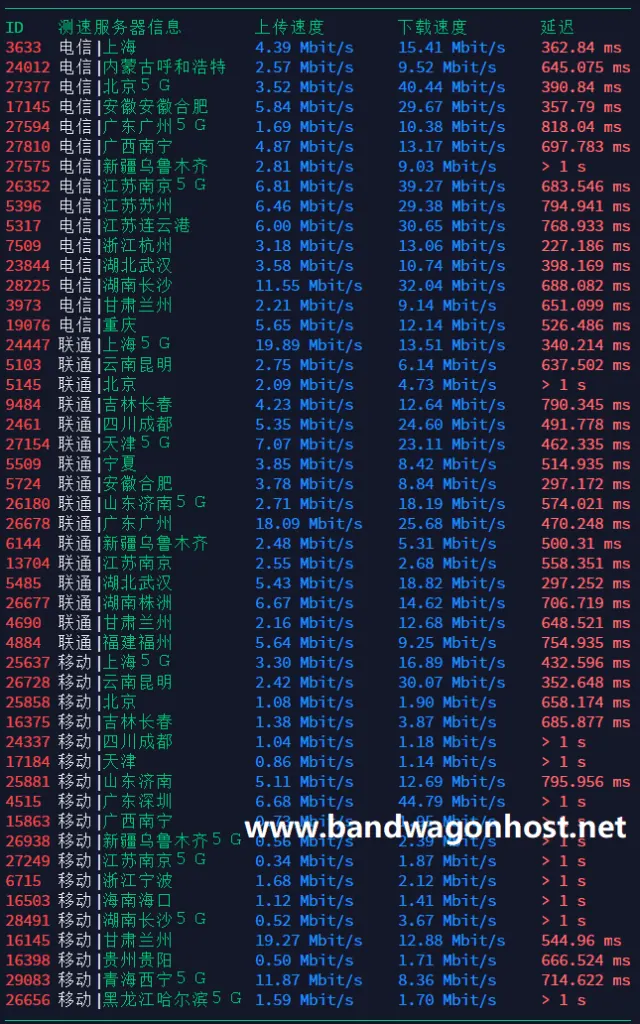
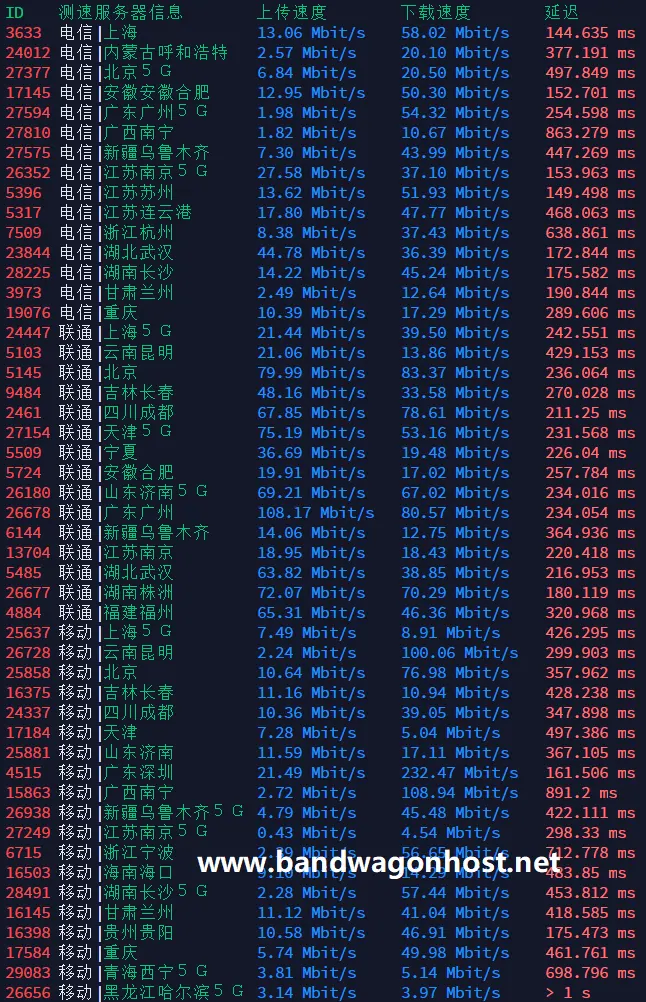
USNJ is located on the east coast of the United States.
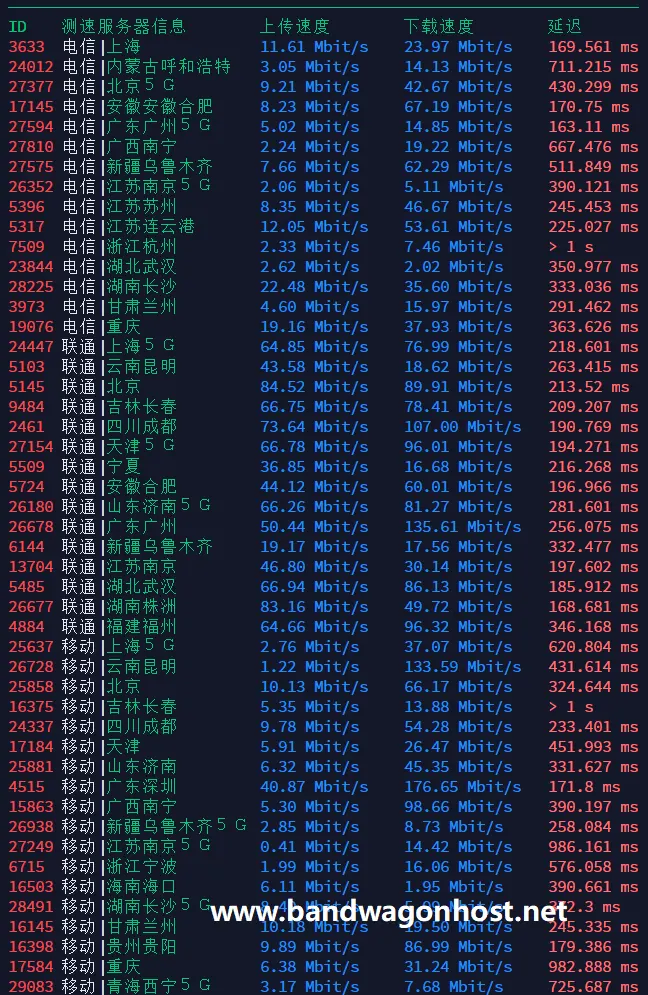
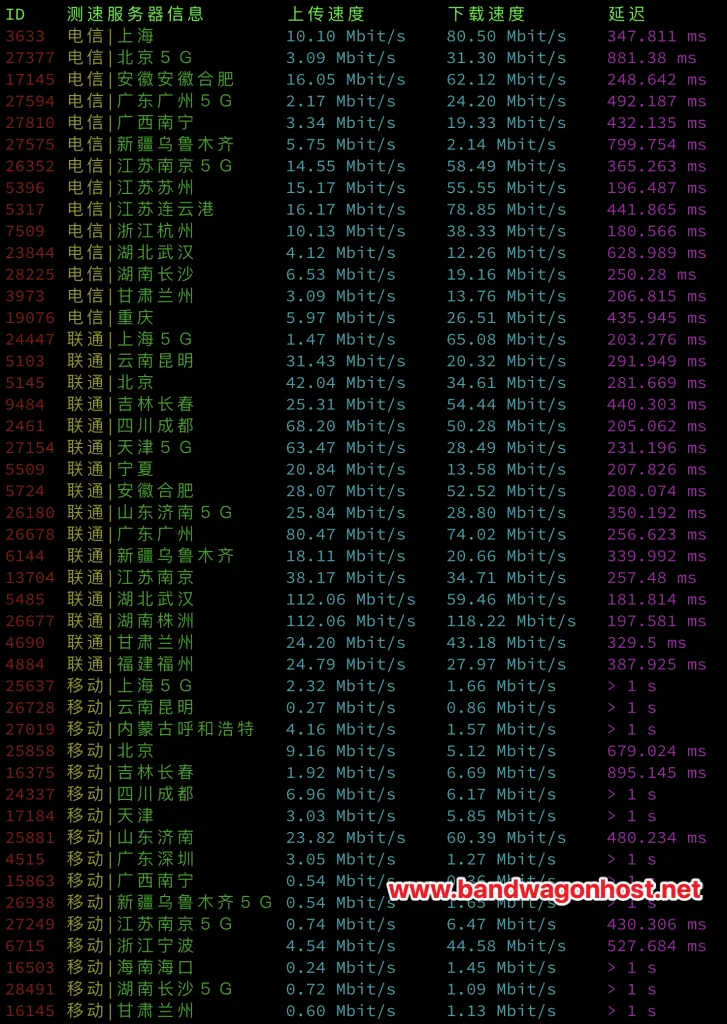
In the March 2020 sample, China Unicom's measured speed was higher, while China Telecom's measured latency was lower.
The retest in March 2020 occurred after DC8 was rebranded as ZNET and the original CN2 GT access was cancelled.
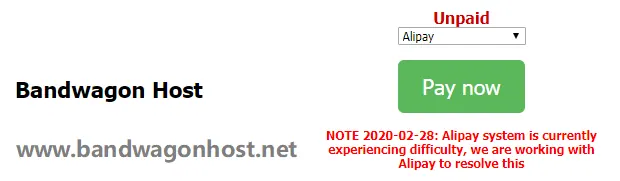
The settlement page displayed an Alipay service error message on February 28, 2020. The record for the following day included SECONDARY_MERCHANT_STATUS_ERROR, and it was subsequently updated to indicate that service had been restored on March 3.
In the USCA_FMT records from February 21, 2020, China Unicom led in download performance, followed by China Telecom, and then China Mobile.
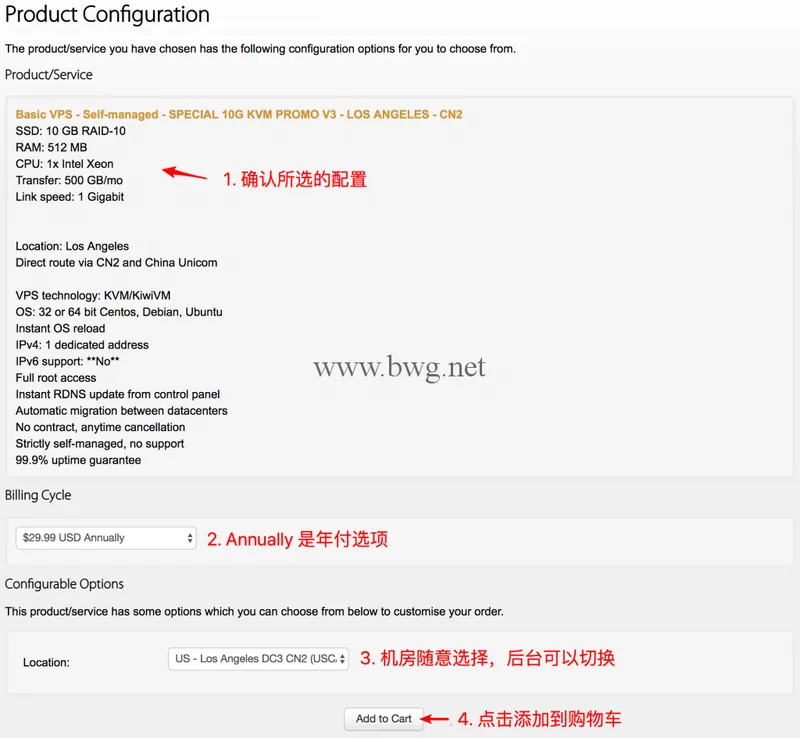
After selecting the data center, billing cycle, and service plan, proceed to registration and payment. This article reviews the information in the order of shopping cart, bill, and service list.
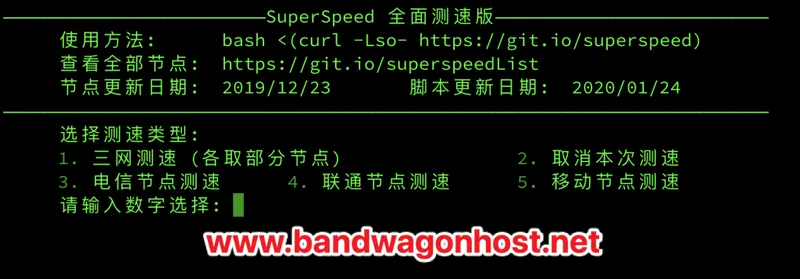
The sources describe methods for downloading files locally, using speed test pages, and viewing response times in multiple regions.
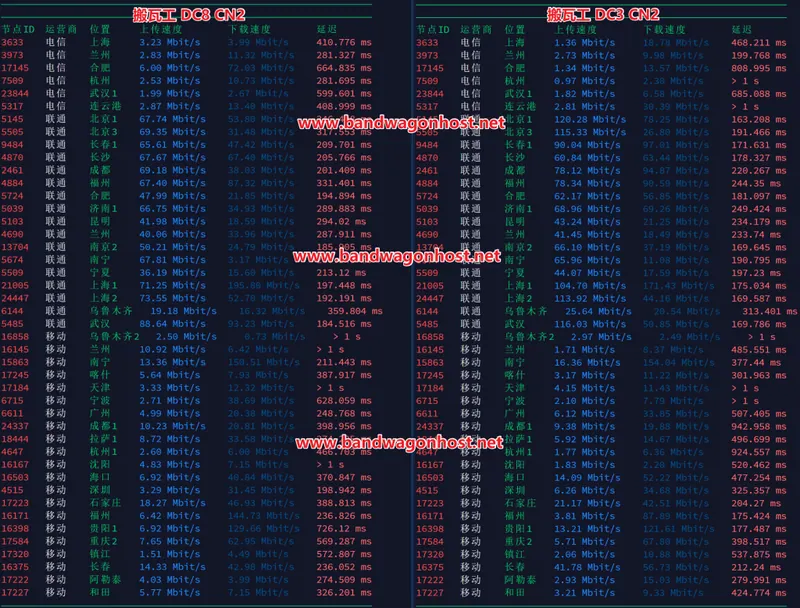
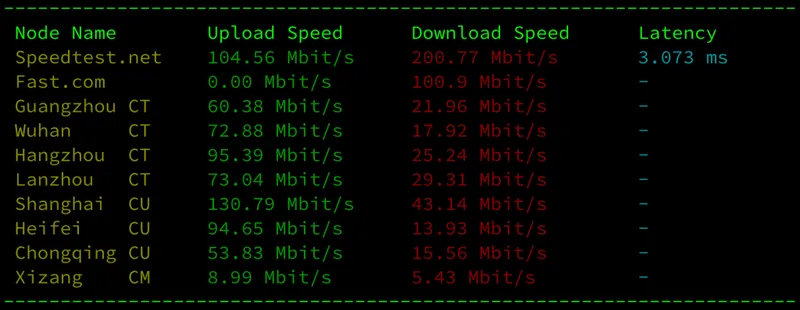
The 2020 speed test data is displayed by ISP, showing node locations, upload speeds, download speeds, and latency. Its purpose is to observe transmission differences between your own VPS and various regions in China.
The comparison in December 2019 used the same configuration from the 2018 Double Eleven shopping festival. Both machines had BBR enabled, and the download speed and latency of DC3 and DC8 were observed simultaneously around 8 PM.
The historical directory lists data centers by package, preserving the differences in migration quotas and traffic multipliers for different series.
The current comparison will discuss DC6, DC9, and DC3 separately from ordinary KVM data centers, and will also include Hong Kong and Japan solutions.
The 2019 data contains nine different codes. Each percentage retains the current period's record for easy verification of historical invoices.
Built-in templates are suitable for systems provided by the panel, while mounting ISOs gives the operator more installation options.
In this round of evaluation, latency was collected in addition to network speed, and the fastest, slowest and average values were listed separately.
The original announcement documented a restock of the Hong Kong PCCW tier in October 2019, with the title listing a monthly payment of US$89.99 and 500GB of monthly data.
In this sample, the report recorded inbound speeds of at least 2.5 Gbps and outbound speeds of over 1 Gbps.
Early Windows client introductions treated local connection and cross-device synchronization as two separate requirements.
The Hong Kong PCCW data center was labeled HKHK_1 on the old control panel, with the corresponding name being Hong Kong MCX10. The source provides average latency figures for the three major mobile networks: China Unicom 35.5 milliseconds, China Mobile 72.0 milliseconds, and China Telecom 103.7 milliseconds.
USCA_9 is the room number for DC9 CT CN2GIA.
Before renewing, please check the product's expiration date, billing status, and billing cycle. Modifying the cycle of an old order may change the subsequent price.
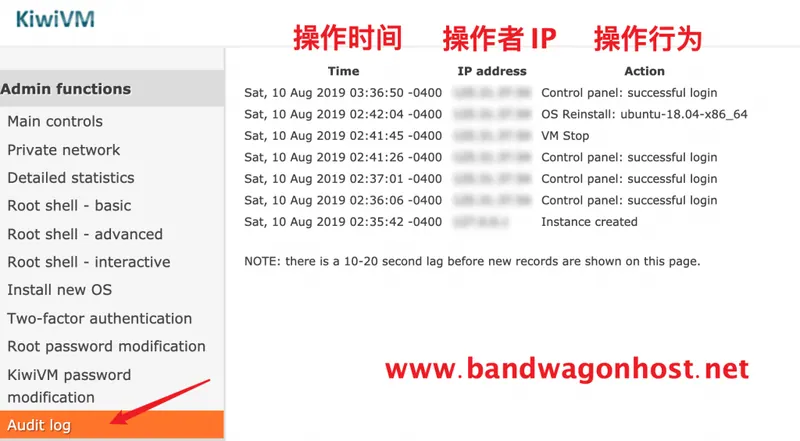
Audit Log provides a record of panel operations.
This observation focuses on the historical limited tier with an annual fee of $39.99, and separately analyzes download speed and latency.
The 2019 archive categorizes the inability to renew old instances into two situations: the OpenVZ platform has entered the retirement phase, or the user has already set the normal service to cancel renewal.