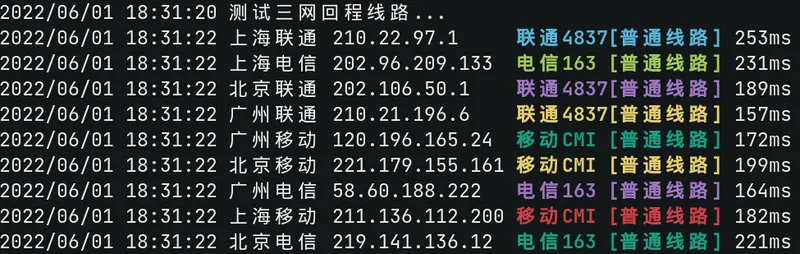
Boundaries of Backtrace Identification for Three Networks: How to Read the CN2 Tag of Backtrace
The 2022 observations grouped Hong Kong CN2 GIA, Los Angeles DC9, DC6, DC3, and Sydney AUSYD_1 into the same set of backhaul identification examples.

The data center directory compiled at the end of 2020 lists the data center number, test address, and corresponding demo page. Some addresses come from instances owned by the original author in that data center, and some data centers do not have demo pages.
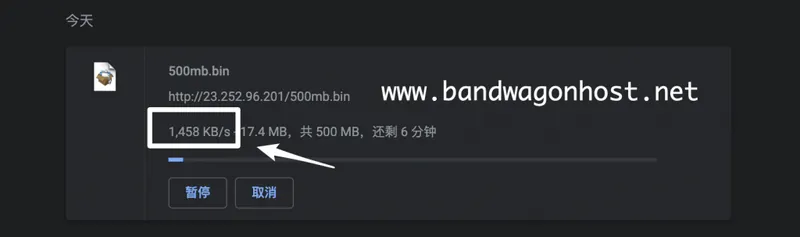
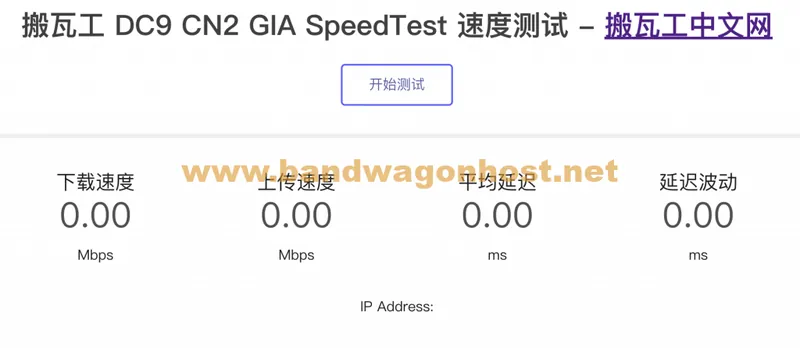
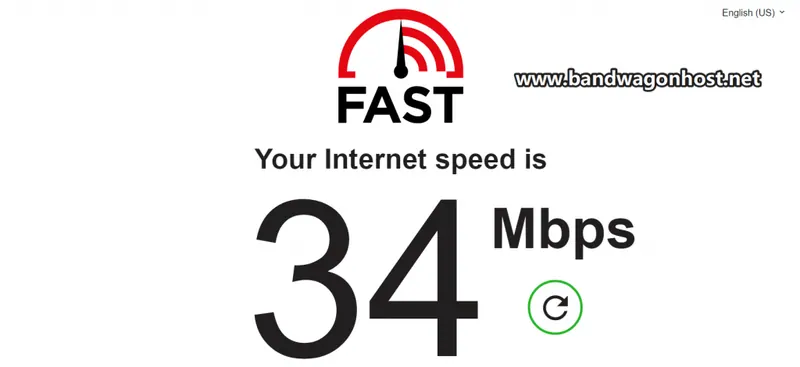
In May 2020, the source accessed two browser speed test services, comparing them to a home line that was rated at 300 Mbps.
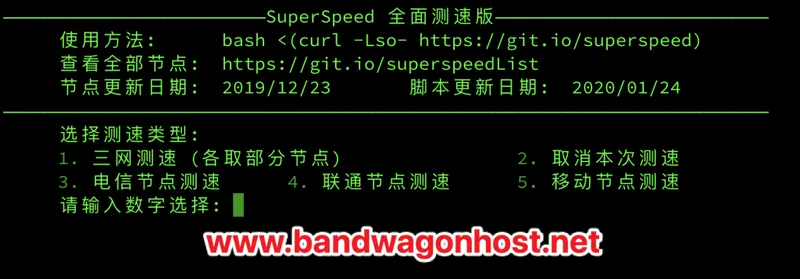
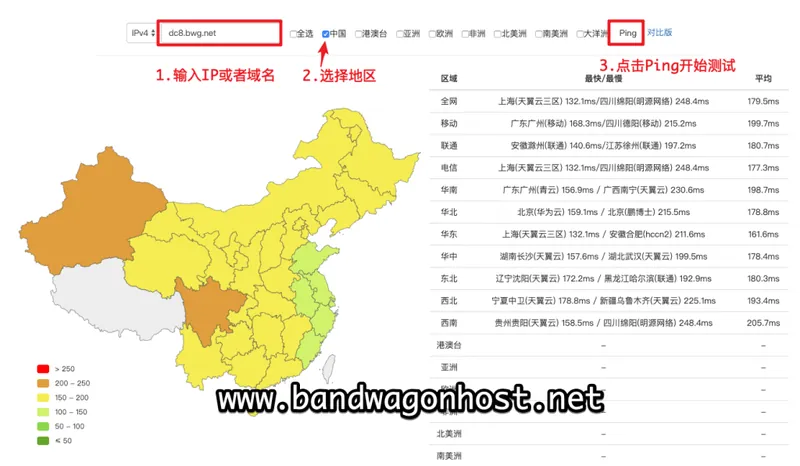
Test IPs, downloaded files, and publicly available testing tools to observe different metrics. Selecting the corresponding data center and test direction is the first step in comparing the results.
The 2020 speed test data is displayed by ISP, showing node locations, upload speeds, download speeds, and latency. Its purpose is to observe transmission differences between your own VPS and various regions in China.
Sampling from actual Windows, macOS, or Linux devices provides a more accurate representation of the visitor's own web experience.
When using publicly available testing points, the region, operator, and testing direction should all be noted down.
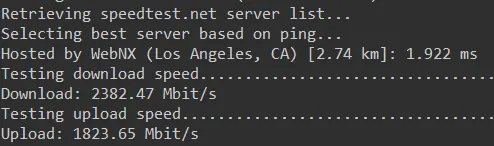
The 2019 data used Speedtest-CLI to observe the upload and download speeds from the server to the test node, and cited a case where a DC6 historical package had measured 2.5 Gbps.
The public demo page offers different perspectives such as throughput, latency, and routing. First, select the entry point by data center.
The 2018 deployment record labeled Los Angeles DC8 as USCA_8. The source placed a demo page in that data center providing speed and line monitoring.
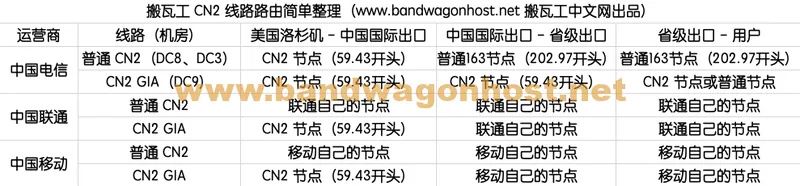
The old data center description compares the return routes of different operators separately: In the ordinary CN2 example at that time, China Telecom used CN2, while China Unicom and China Mobile could take their own direct connection paths.
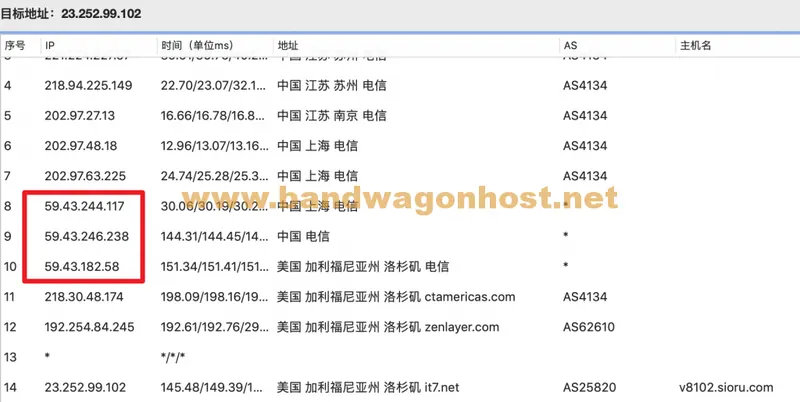
The October 2018 line data discusses 163 backbone access separately from CN2 GT and CN2 GIA, and uses AS4134 to illustrate the background of common backbone networks.
Based on publicly available testing resources for DC9, distinguish between test files, network throughput, and routing observations.
The outbound journey is the path from the visitor's device to the server, and the return journey is the path from the server back to the visitor's network. It's impossible to reconstruct the other direction of the carrier network from only one's own perspective.