Data Center Evaluation
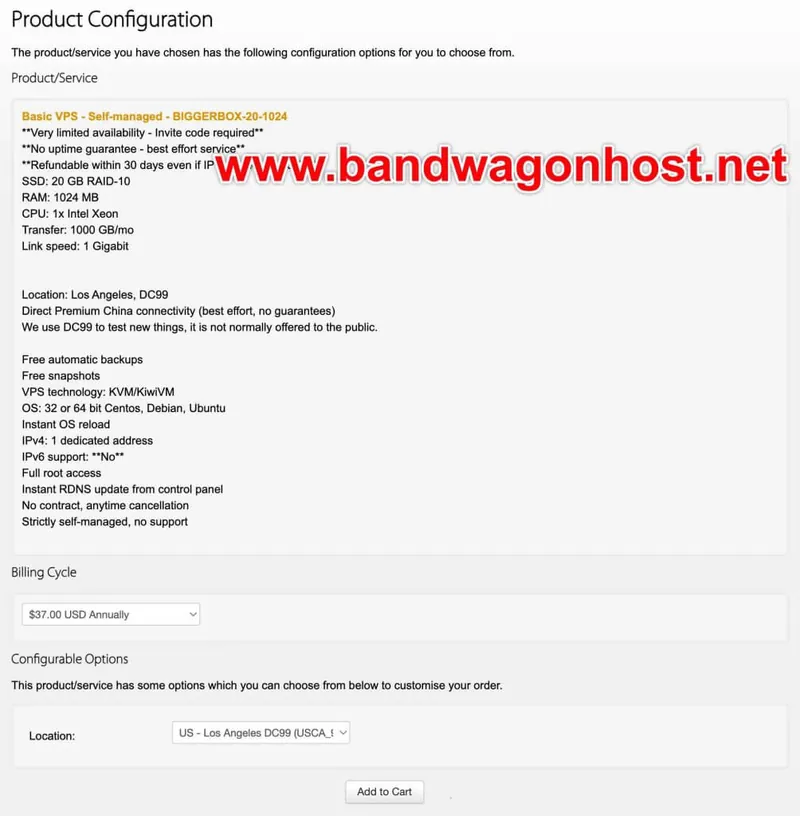
BIGGERBOX DC99 Review Profile: Package Configuration, Return Trip, and Latency
This record presents the BIGGERBOX configuration and DC99 network measurements separately.
 BandwagonHost Guide
This record presents the BIGGERBOX configuration and DC99 network measurements separately.
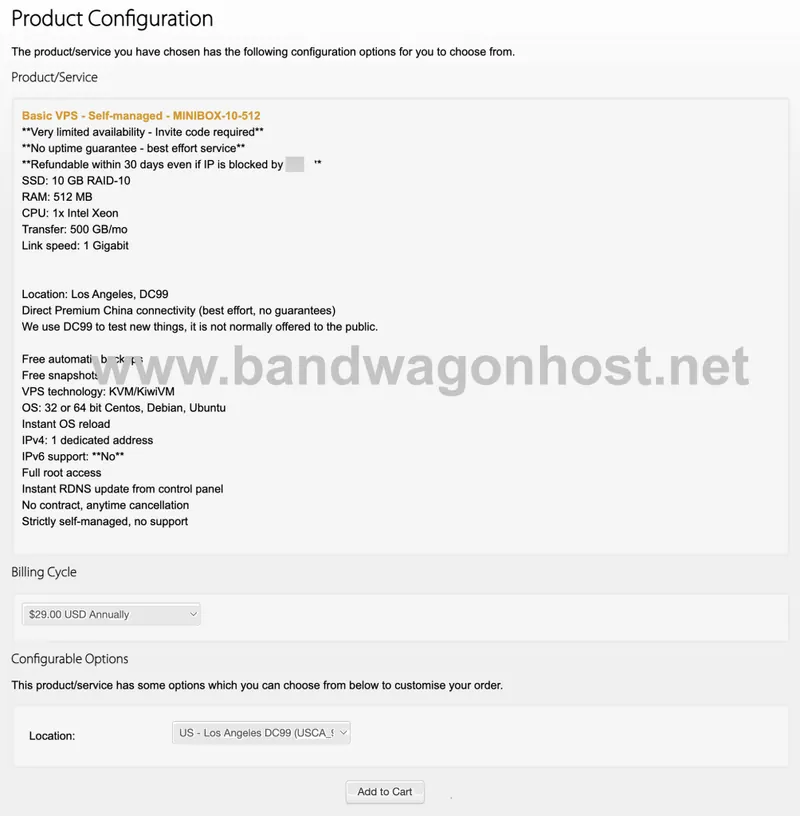
The November 2024 data list for the MINIBOX-10-512 configuration: 1 core, 512 MB of RAM, 10 GB of SSD, 500 GB of monthly data transfer, and 1 Gbps port, with a historical price of $29 per year.
CABC_1 and CABC_6 in the same city are in different data centers.
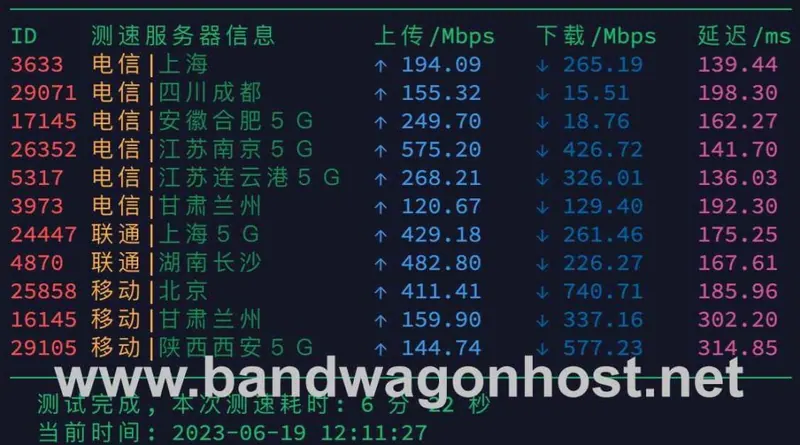
In the EUNL_3 data center sample on June 26, 2023, the average latency was approximately 207.32 milliseconds for China Telecom, approximately 289.95 milliseconds for China Unicom, and approximately 335.00 milliseconds for China Mobile.
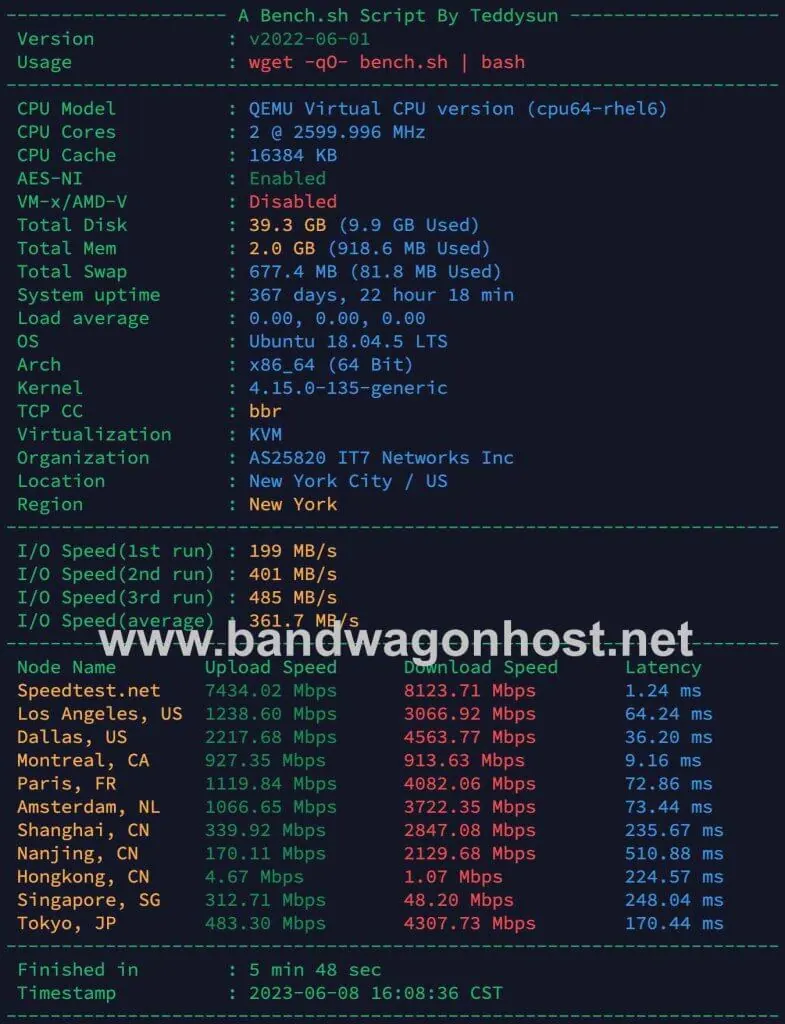
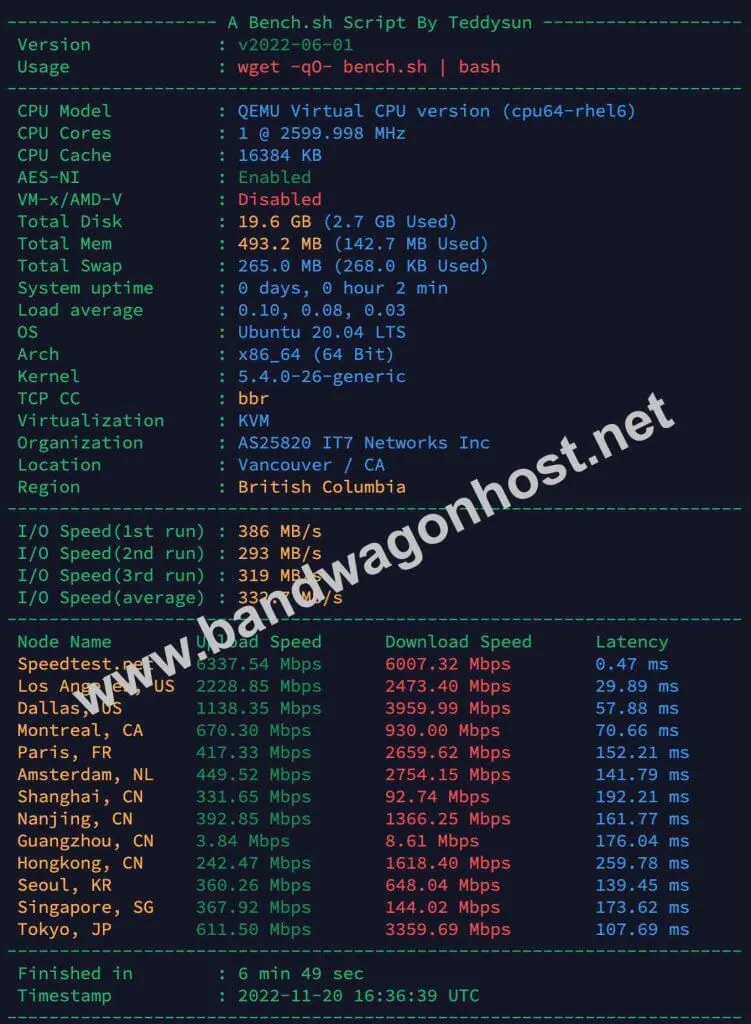
A USNJ instance with an online time of 1,172 days was recorded, along with CPU benchmark scores and measurements from the three major Chinese internet networks.
The prototype is equipped with a dual-core CPU, 2 GB of RAM, and a 40 GB SSD. The average response time for China Telecom and China Unicom is less than 200 milliseconds, while for China Mobile it is approximately 248.5 milliseconds.
New York (USNY_2) is located on the East Coast of the United States.
The average response times of the three DC8 groups are similar but not identical, with some telecom nodes exhibiting lower throughput.
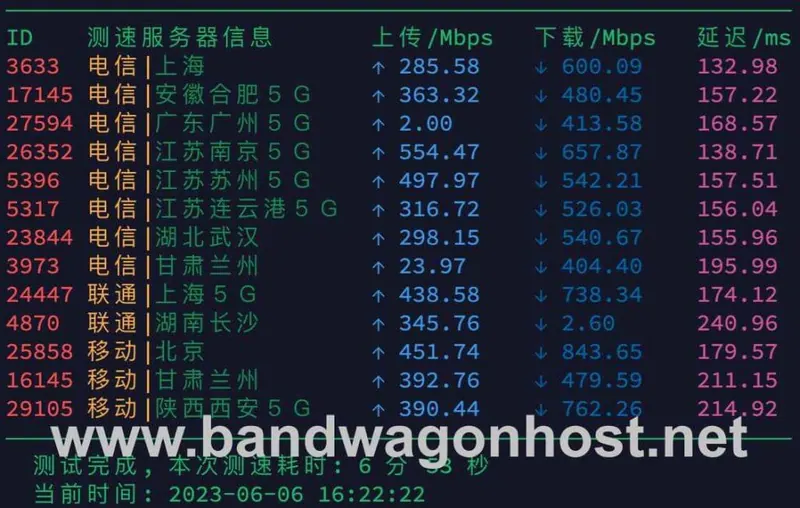
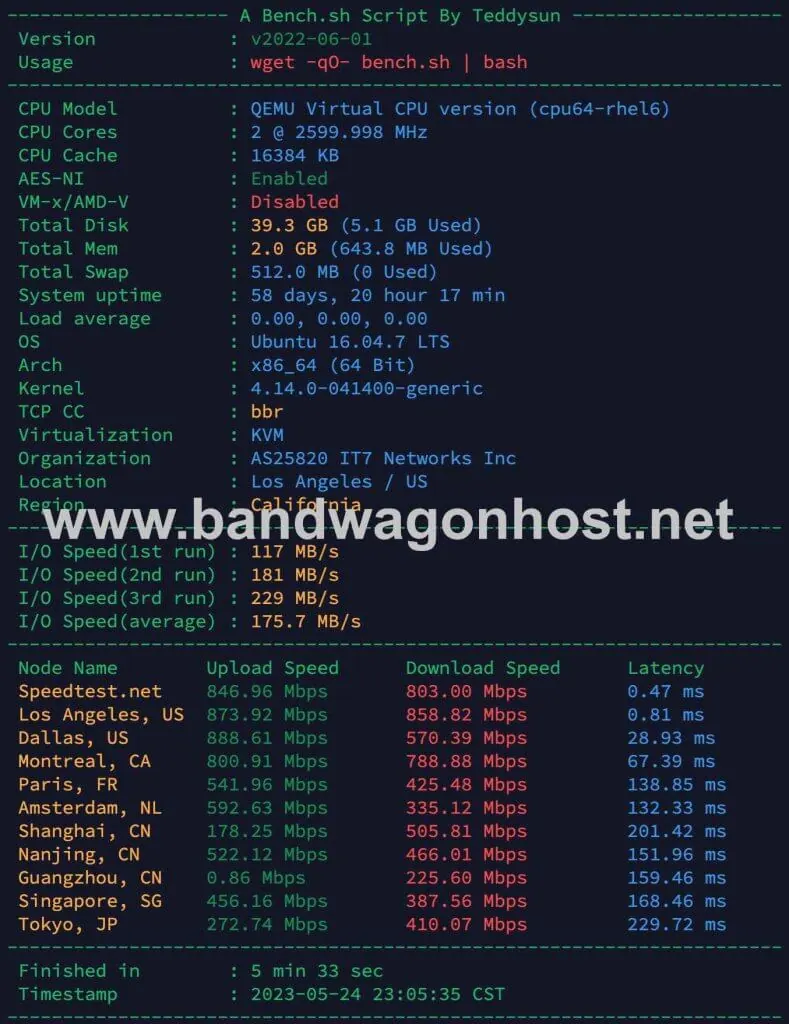
In the Los Angeles DC3 test in May 2023, the average response time was approximately 169.0 milliseconds for China Telecom, approximately 186.1 milliseconds for China Unicom, and approximately 210.8 milliseconds for China Mobile.
The average response time for China Telecom was slightly below 200 milliseconds, while the average response time for China Unicom and China Mobile was higher.
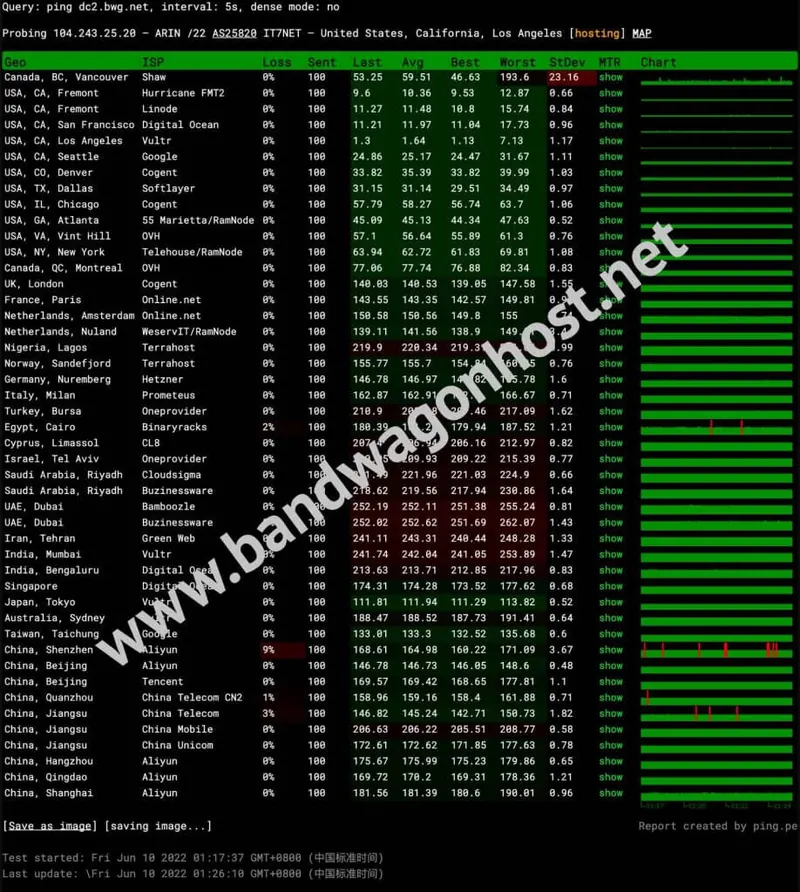
In the evening rush hour samples of June 2022, DC2 and DC3 had relatively few packet loss rates overall. DC4 had observation points with a loss rate of 17.8%, and DC8 also showed several high results.
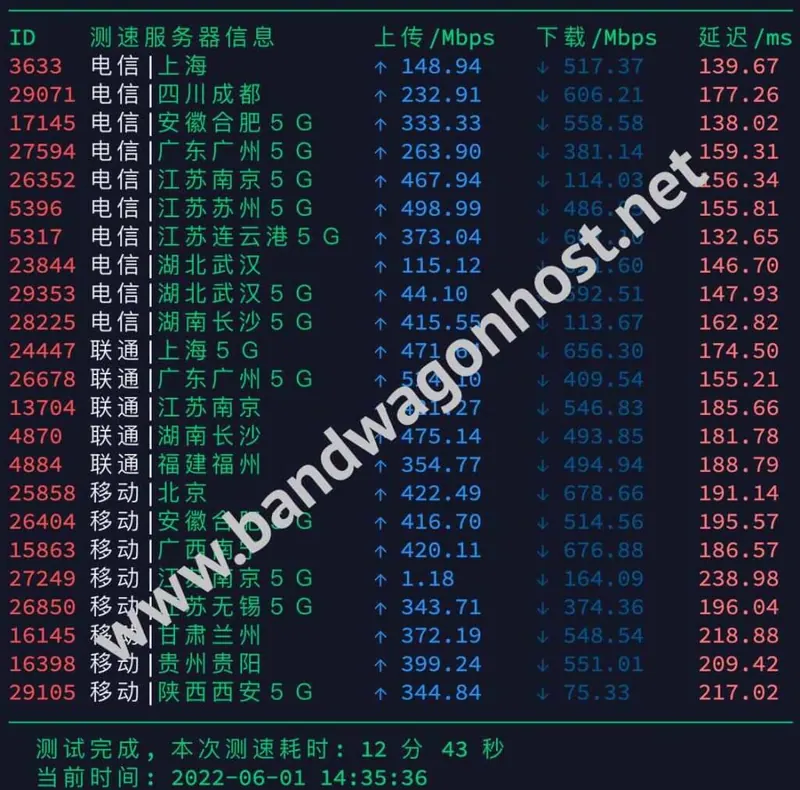
In this round of sampling, DC3 CN2 had a higher overall speed; the telecom results for DC4 MCOM varied significantly across different regions, with China Unicom and China Mobile showing relatively stable performance.
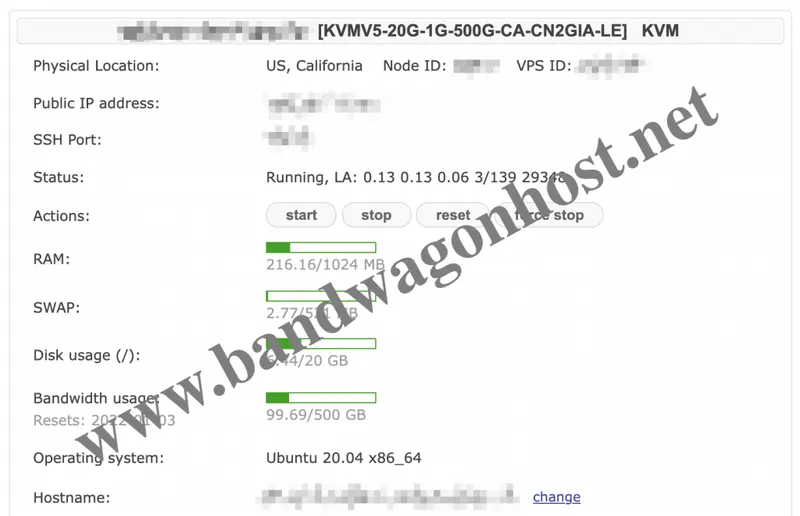
The tested tier included a single-core processor, 1GB of RAM, a 20GB SSD, and 500GB of monthly data usage. The listed annual price was $89.99.
The summary separates machine performance and line measurements; some network speed samples were collected before the telecom expansion, and speed data after the expansion is also attached.
In the speed test grouped by operator in August 2021, China Telecom's speed was about 160 to 170 milliseconds in many areas, China Unicom's lowest speed was about 144 milliseconds, and China Mobile's speed remained below 200 milliseconds.
In the comparison records from August 2021, EUNL_3 used a regular international line; EUNL_9 connected to AS10099 and AS9929, and the sample showed that the return route passed through the UK before entering China.
The EUNL_9 evaluation in July 2021 documented the optimized backhaul route via AS10099 and AS9929. The data center uses the "China Unicom Premium" logo on its control panel, distinguishing it from the EUNL_3 data center in the same city.
The source compiled historical speed tests from 13 data centers, with a special comparison of nodes such as SoftBank Osaka, DC3, DC8, DC2, and DC4.
In the same test, even in European data centers with acceptable transmission speeds, interactions could still be noticeably slow.
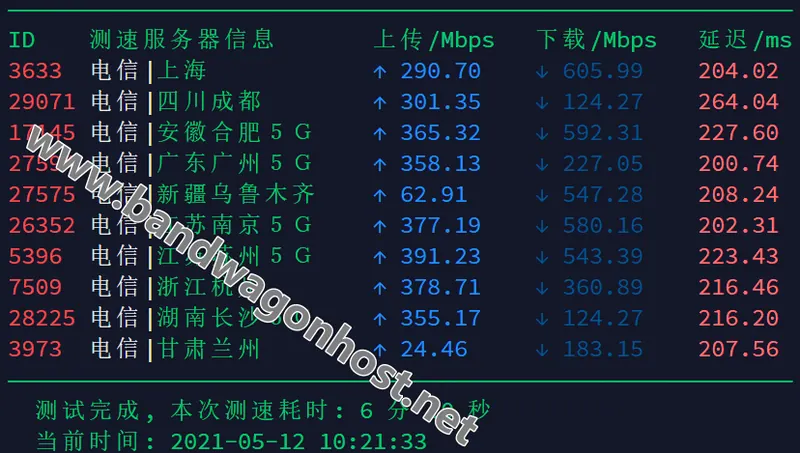
New Jersey (USNJ) is located in the eastern United States. In observations conducted in May 2021, China Mobile's transmission speeds were slightly better than those of China Telecom and China Unicom, but the average round-trip time for all three groups of nodes exceeded 250 milliseconds.
The two data centers are QNET in USCA_2 and MCOM in USCA_4.
This source was published on May 2, 2021.
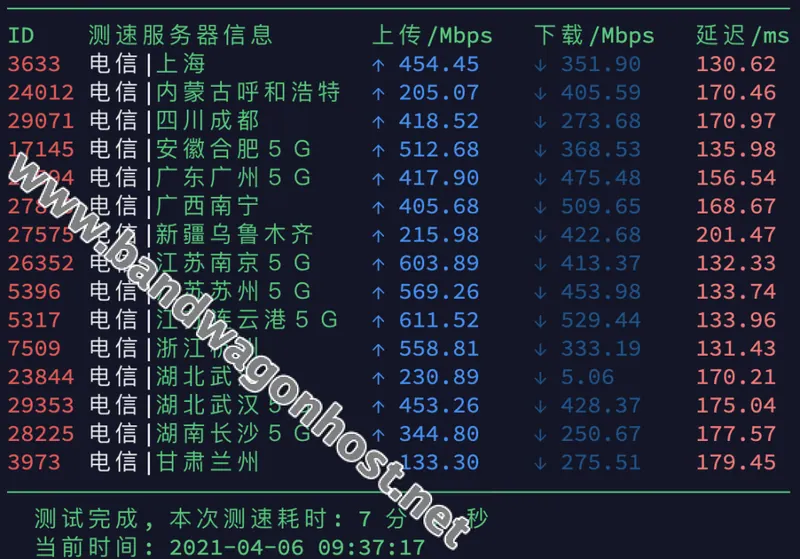
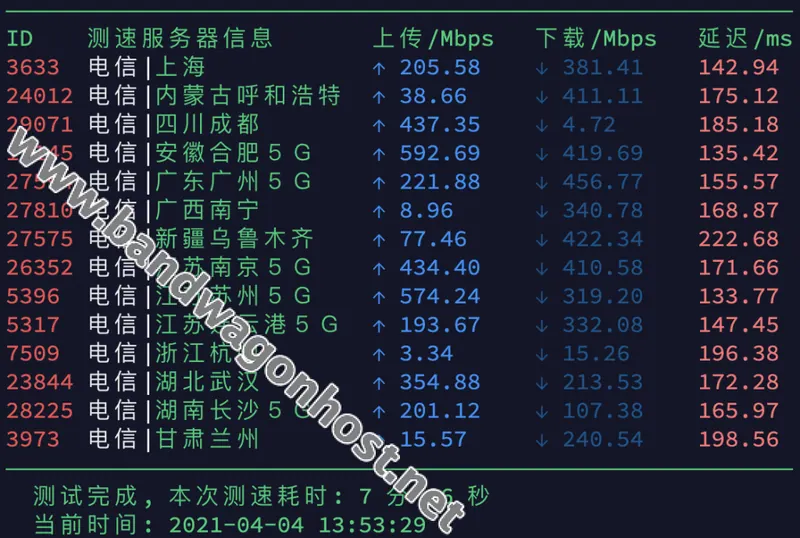
The New York VPS test in April 2021 was scheduled for the evening, observing the performance of China Telecom, China Unicom, and China Mobile. The source generally summarized the three networks as average, with approximately one-third of the areas experiencing slower transmission speeds.
The data sources compared the packet loss during peak hours in the two observations of SoftBank's data center in Japan, and the packet loss record for the second sample was zero.