New Jersey (USNJ) Performance Profile: Single-core 398 points and Triple-network latency
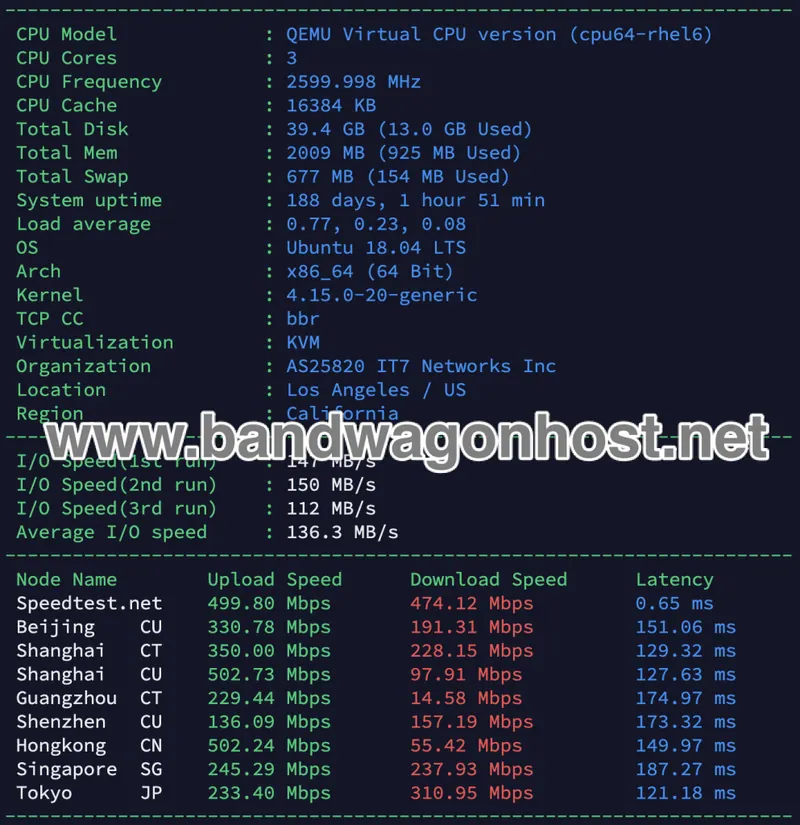
A USNJ instance with an online time of 1,172 days was recorded, along with CPU benchmark scores and measurements from the three major Chinese internet networks.
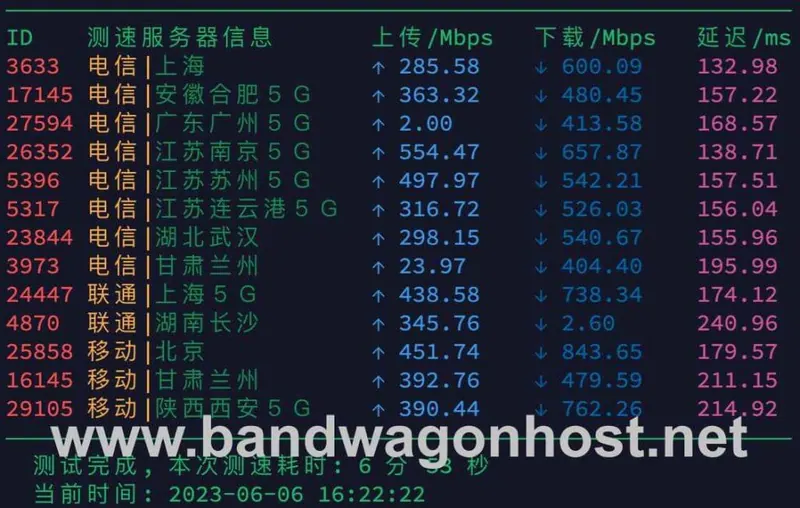
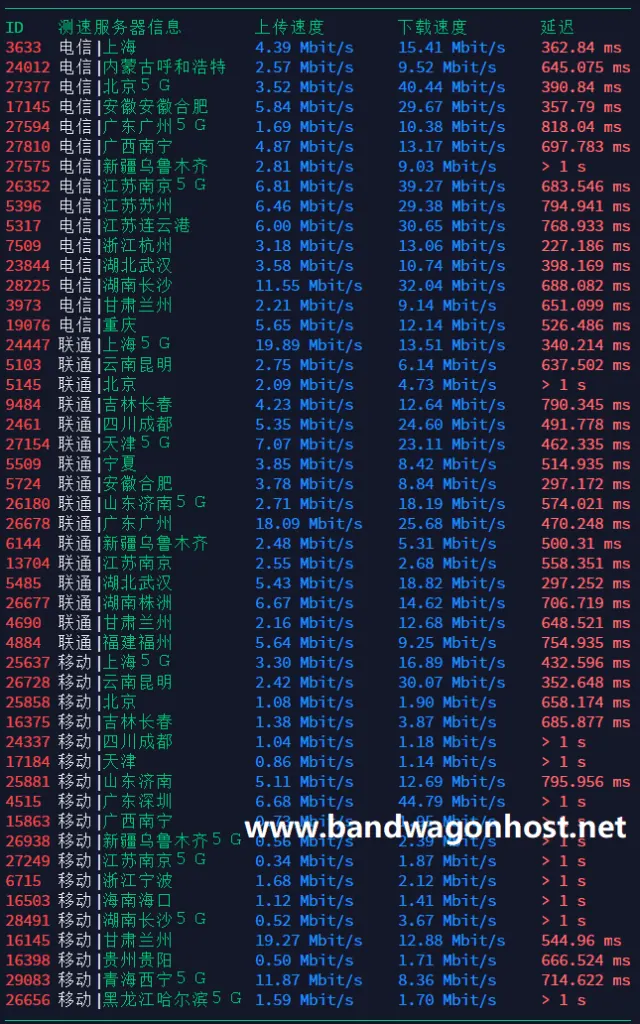
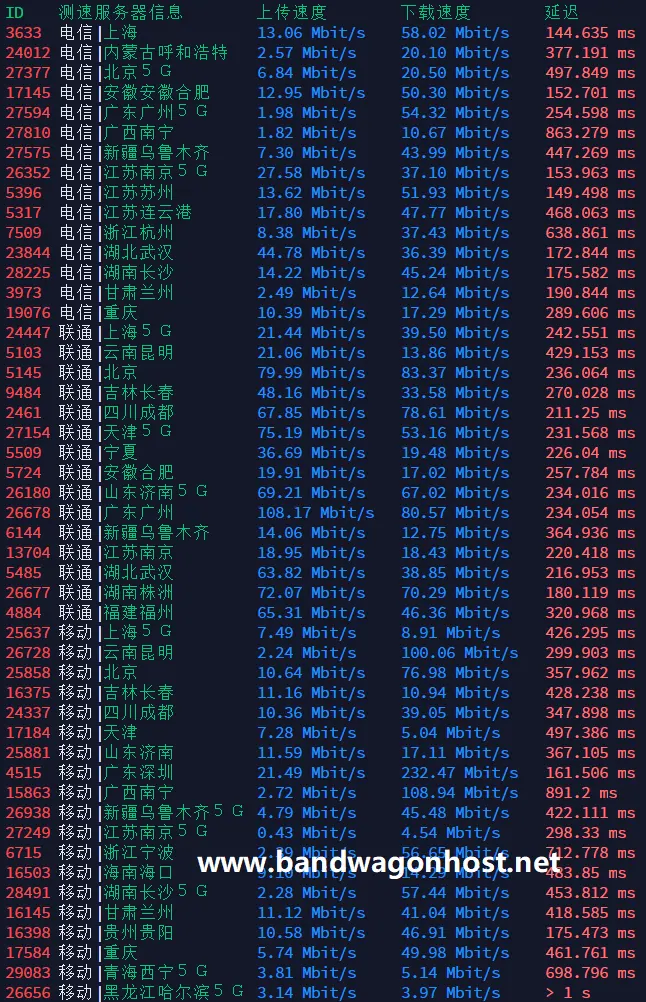
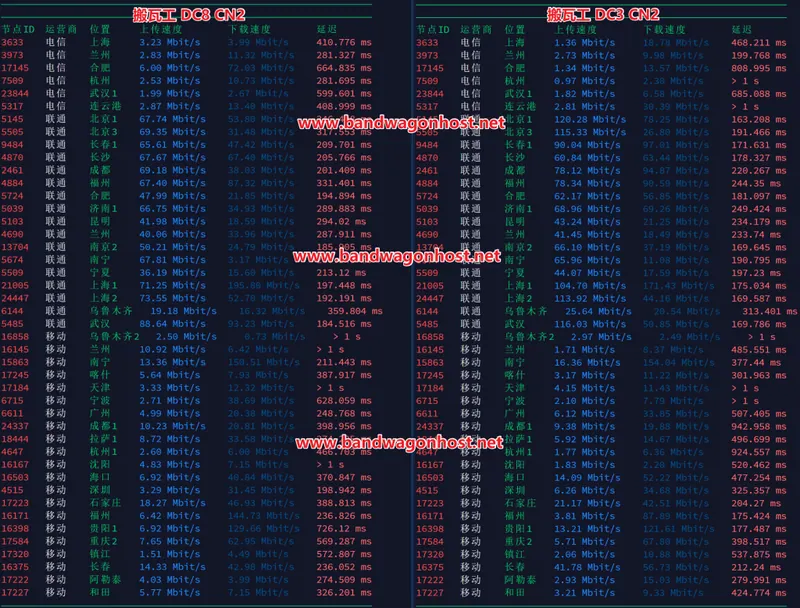
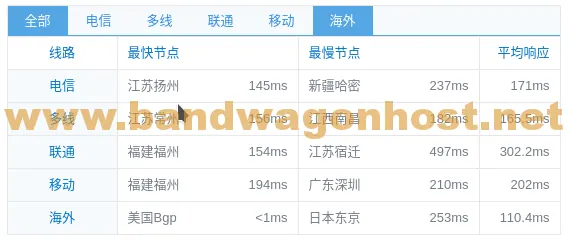
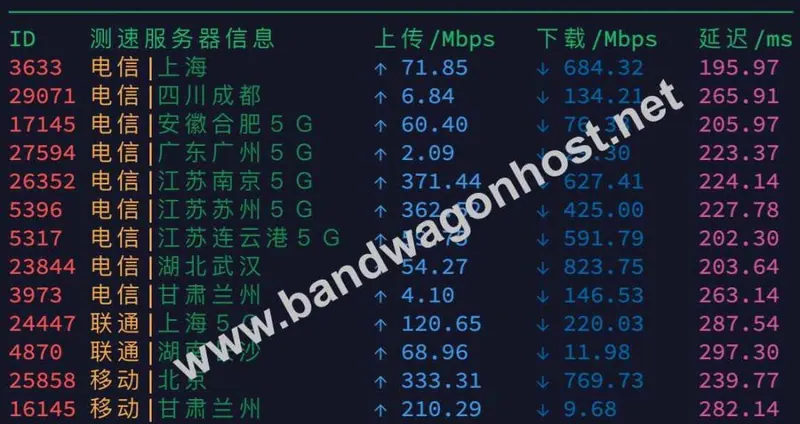
The average response times of the three DC8 groups are similar but not identical, with some telecom nodes exhibiting lower throughput.
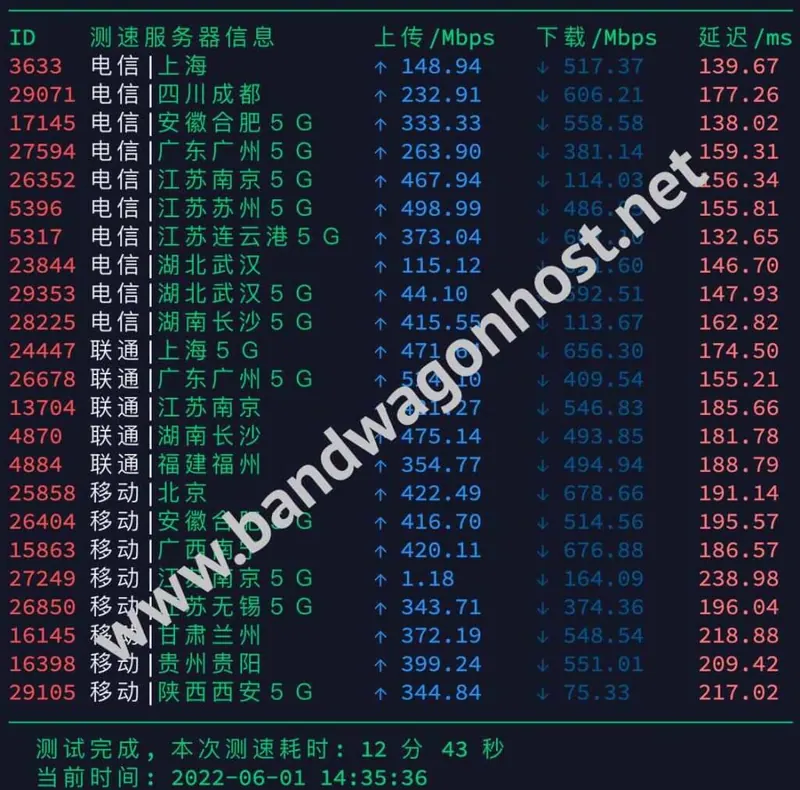
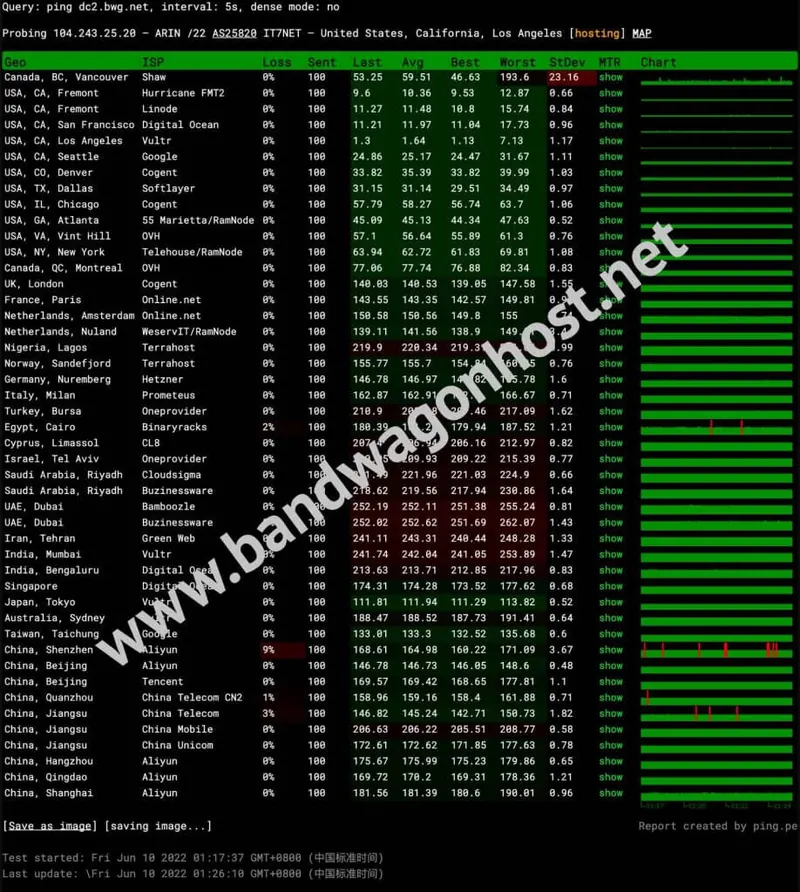
In the evening rush hour samples of June 2022, DC2 and DC3 had relatively few packet loss rates overall. DC4 had observation points with a loss rate of 17.8%, and DC8 also showed several high results.
In this round of sampling, DC3 CN2 had a higher overall speed; the telecom results for DC4 MCOM varied significantly across different regions, with China Unicom and China Mobile showing relatively stable performance.
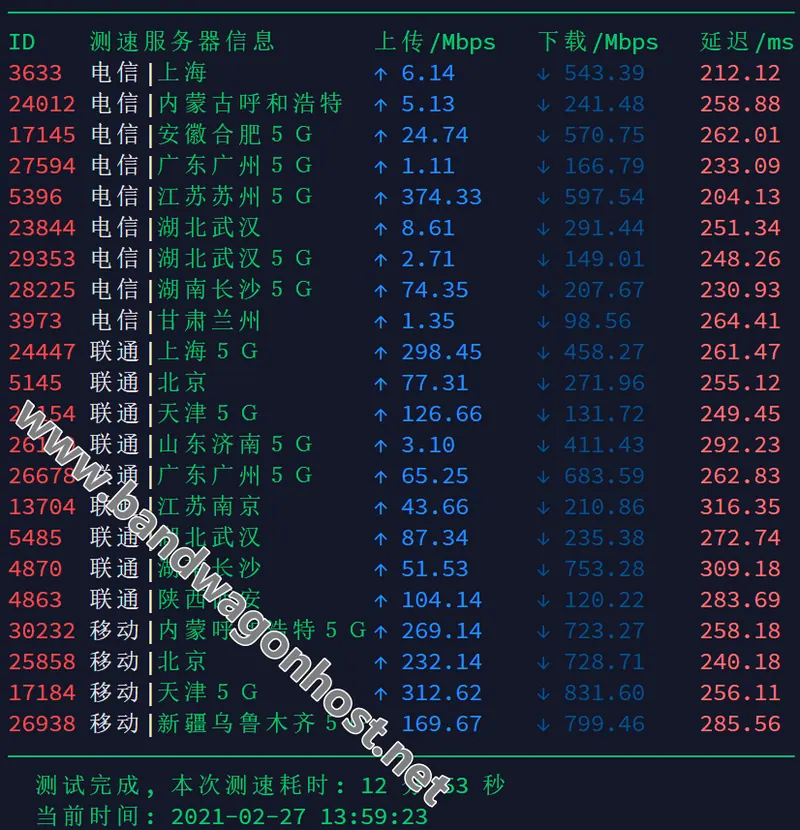
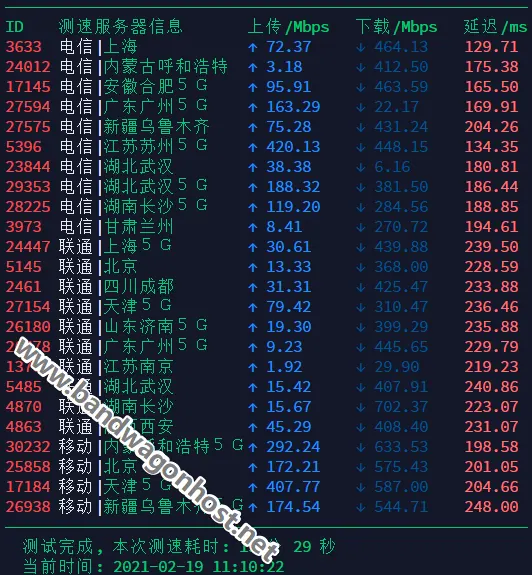
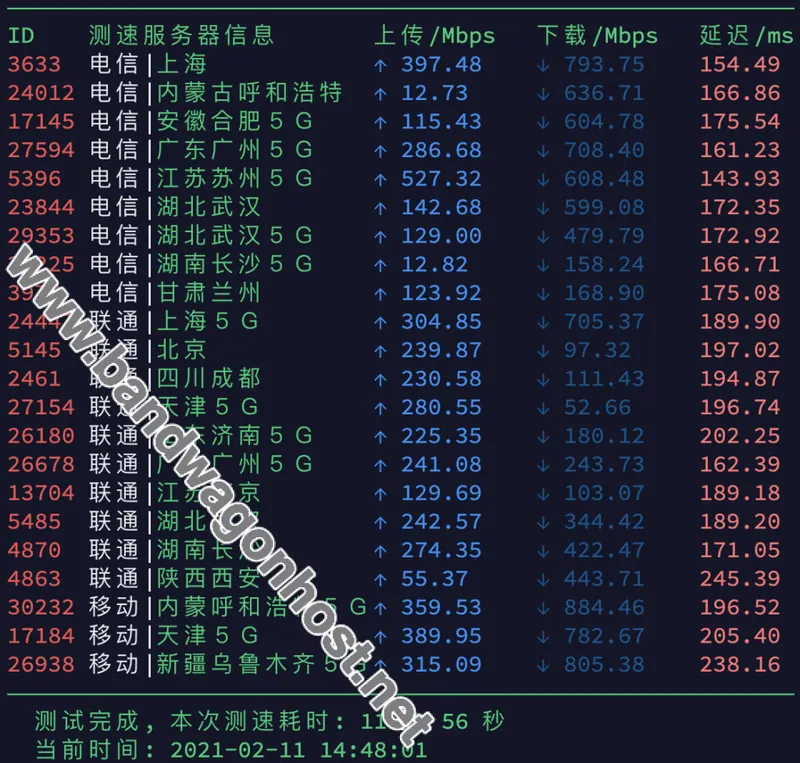
New Jersey (USNJ) is located in the eastern United States. In observations conducted in May 2021, China Mobile's transmission speeds were slightly better than those of China Telecom and China Unicom, but the average round-trip time for all three groups of nodes exceeded 250 milliseconds.
The two data centers are QNET in USCA_2 and MCOM in USCA_4.
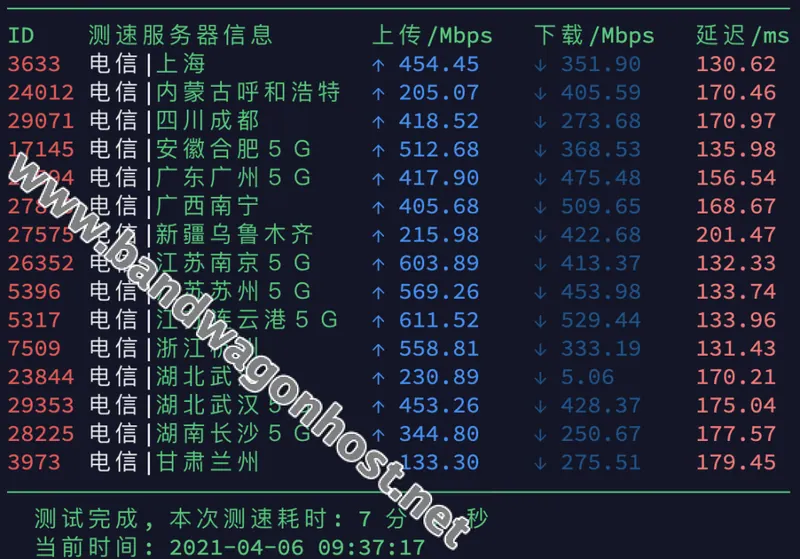
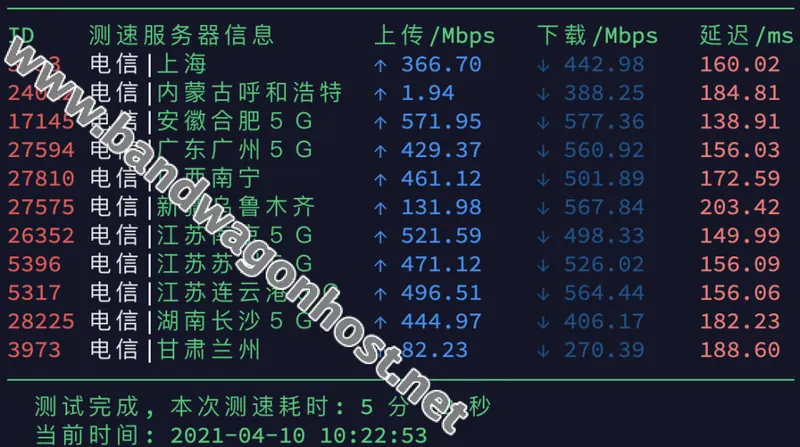
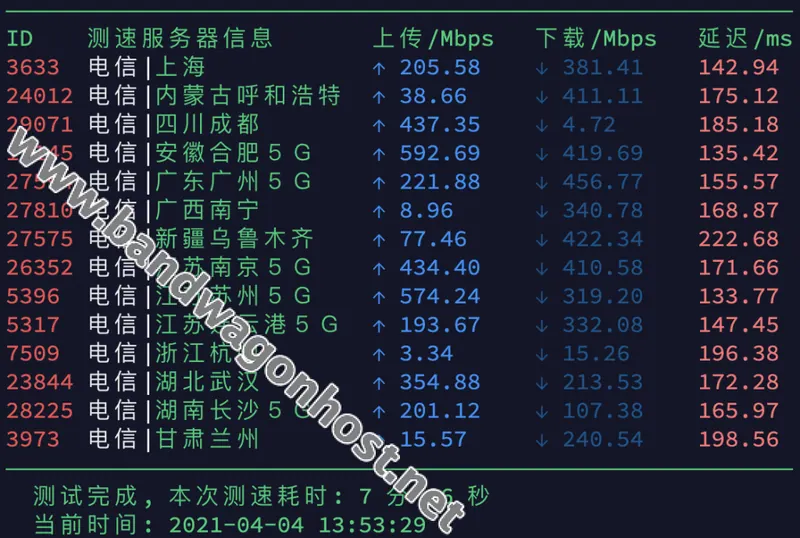
The New York VPS test in April 2021 was scheduled for the evening, observing the performance of China Telecom, China Unicom, and China Mobile. The source generally summarized the three networks as average, with approximately one-third of the areas experiencing slower transmission speeds.
The data sources compared the packet loss during peak hours in the two observations of SoftBank's data center in Japan, and the packet loss record for the second sample was zero.
In the 2021 PCCW Hong Kong evaluation, China Mobile's observation results were significantly weaker than those of China Telecom and China Unicom, indicating that the distance to the data center should not be considered alone.
The DC4 sample from April 2021 recorded a measurement following a line expansion, and specifically noted regional differences in telecommunications.
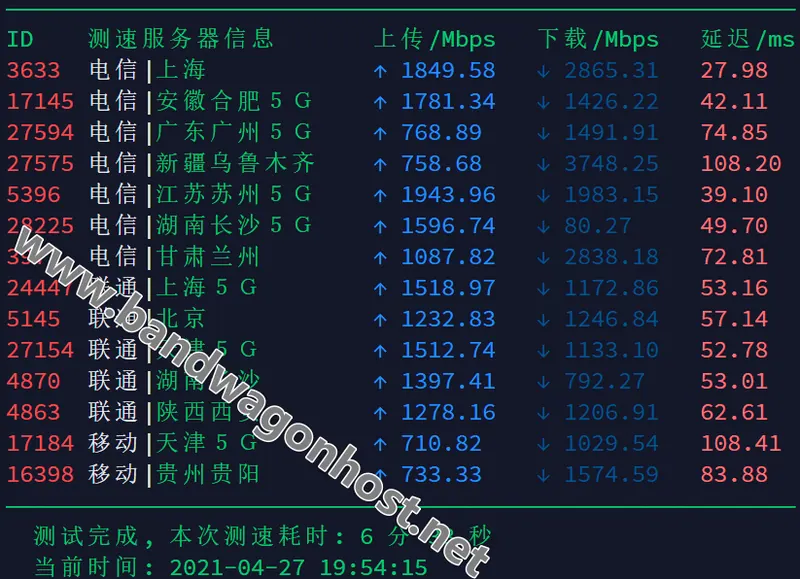
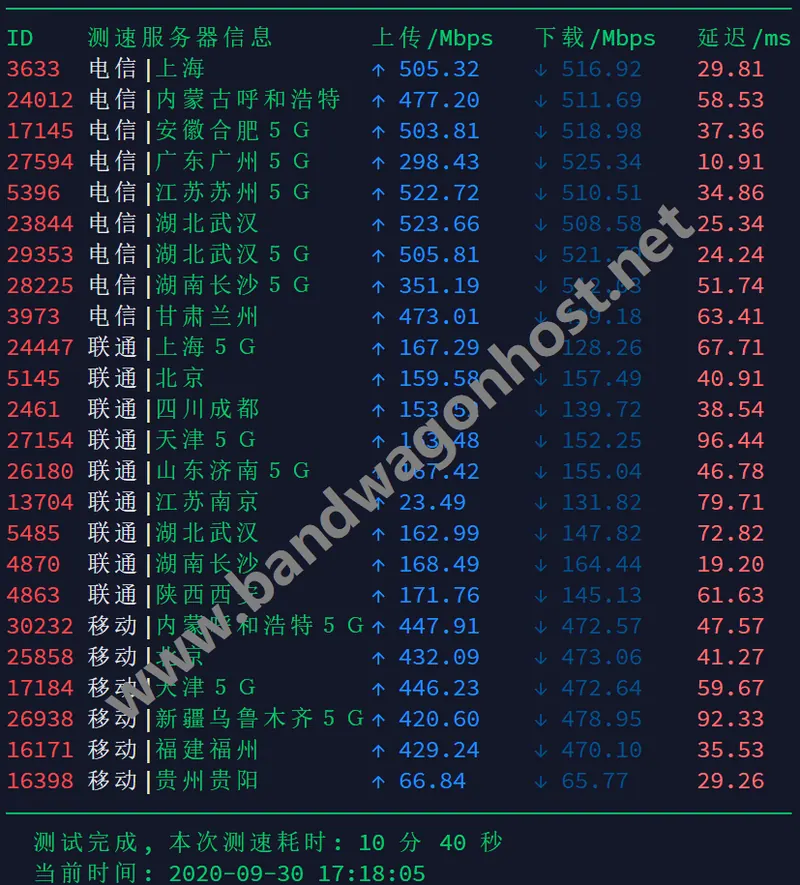
The speed test results for April 2021 show the transmission results for the Los Angeles DC2 QNET network, broken down by China Telecom, China Unicom, and China Mobile. Fast speeds were observed on all three networks.
This document describes the telecom access of DC3 as CN2 GT, with China Unicom and China Mobile using their respective direct connection paths, and distinguishes it from the bandwidth arrangement of DC2 QNET in the same city.
In this USNJ test, China Mobile's download performance was relatively good, while China Telecom and China Unicom's were weaker.
The sources record the download speed, latency, packet loss, and return rate of QNET in Los Angeles.
Some nodes download quickly, but the original record also points out that packet loss affects the user experience, so it's best to read both sets of data side by side.
The data was collected from the Osaka SoftBank limited edition over two days, with the testing mainly taking place in the afternoon or evening.
This round of DC9 testing collected baseline results and the speeds of multiple domestic nodes.
The 2020 Hong Kong data center data distinguished HKHK_8 from earlier PCCW nodes. HKHK_8 was labeled as Hong Kong CN2 GIA in the report, with China Telecom's backhaul using CN2 GIA, while China Mobile and China Unicom samples used their respective direct connections.
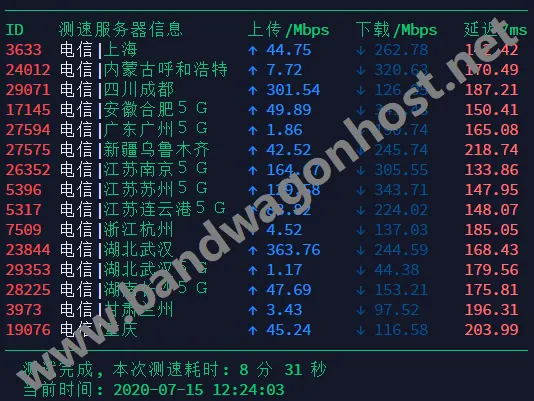
In the measurements conducted in July 2020, even though both locations were in Wuhan, there were significant differences in the performance of the China Telecom and Wuhan 5G measurement points.
USNJ is located on the east coast of the United States.
In the March 2020 sample, China Unicom's measured speed was higher, while China Telecom's measured latency was lower.
The comparison in December 2019 used the same configuration from the 2018 Double Eleven shopping festival. Both machines had BBR enabled, and the download speed and latency of DC3 and DC8 were observed simultaneously around 8 PM.
A historical Phoenix instance with an annual fee of $11.99 was used to observe the single-shot effect of different network configurations.
The 2017 comparison used a portable 10G KVM PROMO instance, and after changing the data center, response time, network transmission, and disk read/write data were collected.