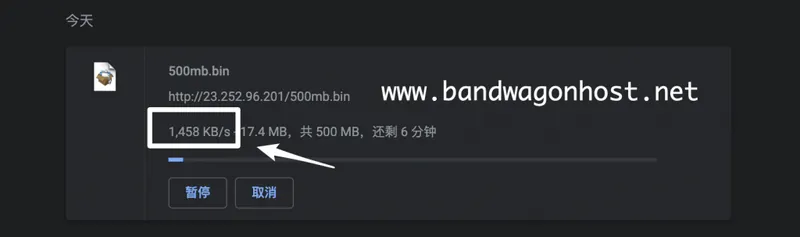
Comparing VPS data centers using a local network: Download speed and latency recorded separately.
Sampling from actual Windows, macOS, or Linux devices provides a more accurate representation of the visitor's own web experience.
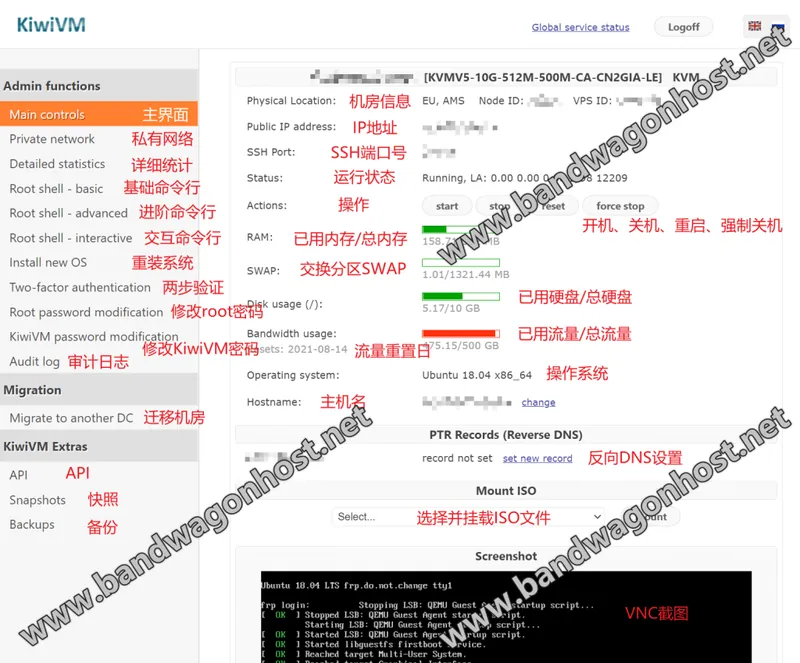
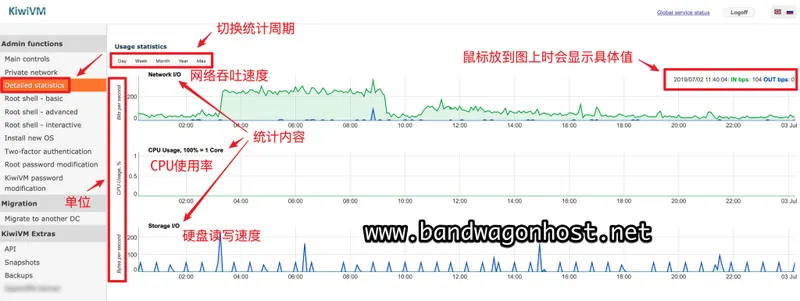
This document outlines the most commonly used entry points for statistics, snapshots, reinstallation, keys, and data center migration in KiwiVM.
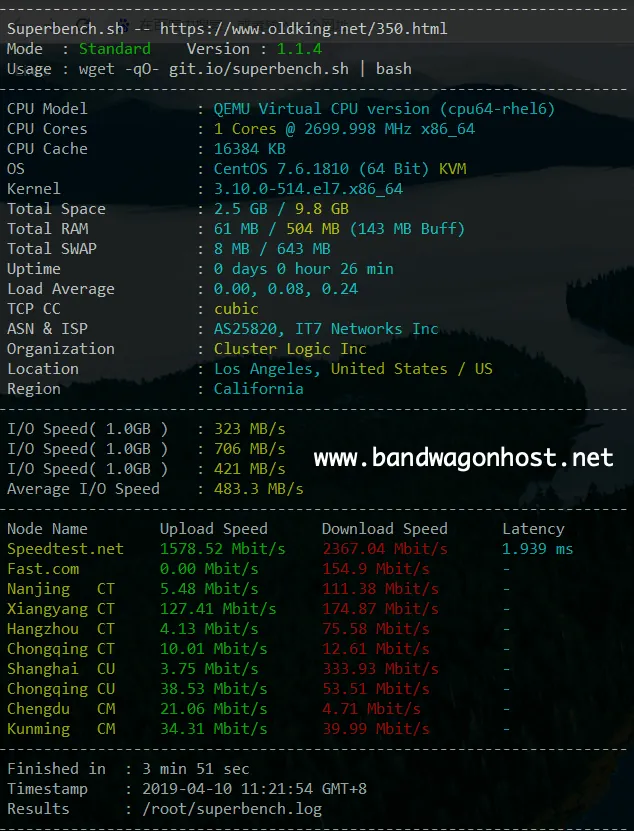
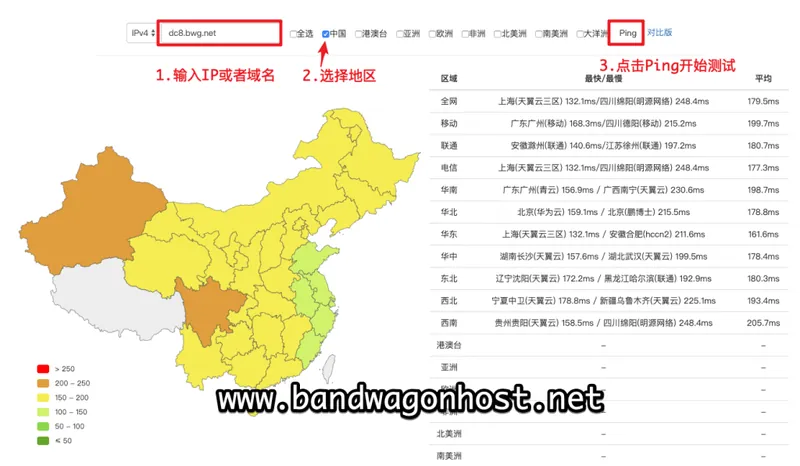
When using publicly available testing points, the region, operator, and testing direction should all be noted down.
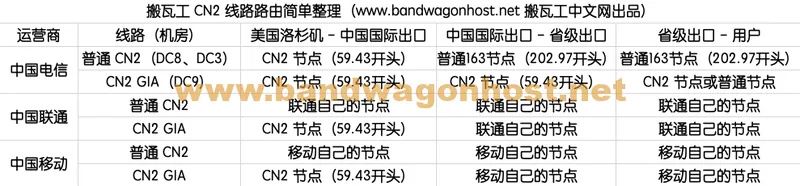
Labeling a direct connection only describes the path characteristics; it cannot distinguish the backbone network used solely based on these two words.
The source found in this observation that the path of the mobile device sent to Los Angeles DC6 changed, while the path back to the mobile device from the data center remained CN2.
Detailed Statistics allows you to track the time of usage changes, making it suitable for comparison with application logs.
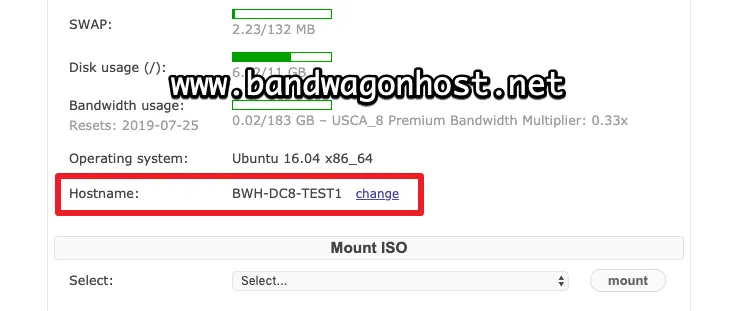
The hostname is used to identify a server. In 2019, the hostname was displayed on the KiwiVM homepage and in the VPS list in the customer center, making it easy to identify the target when operating multiple machines.
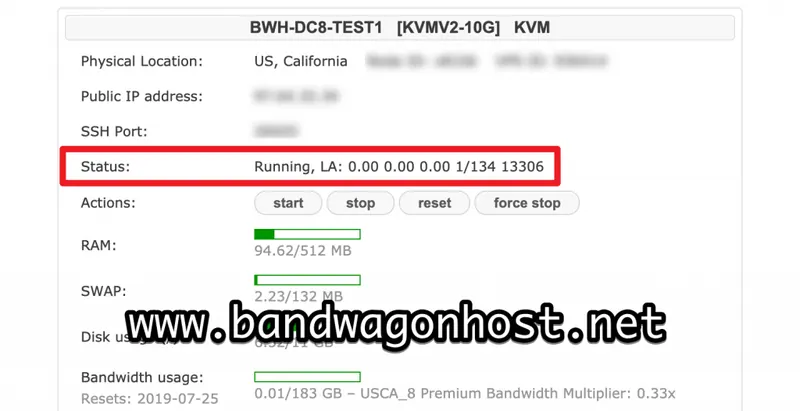
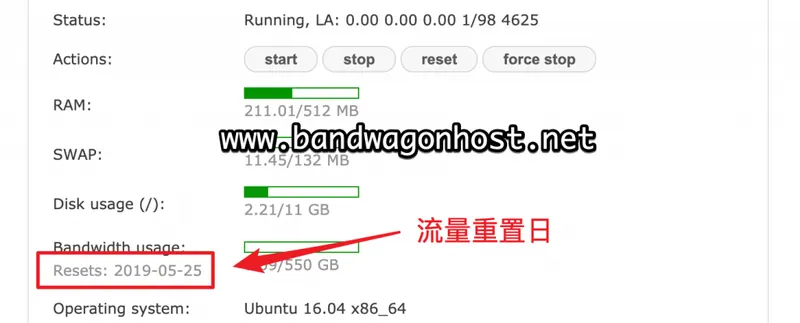
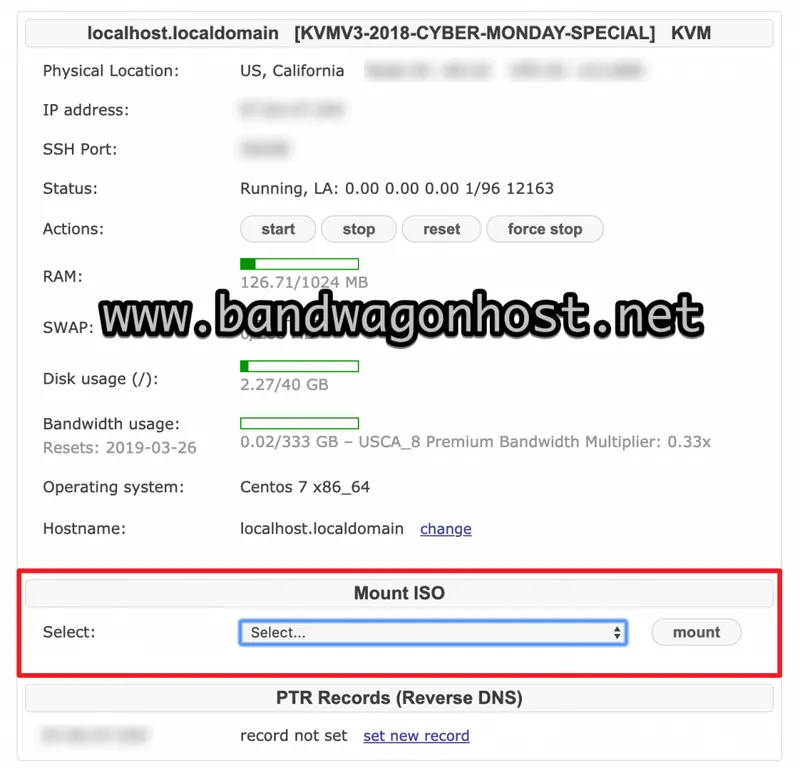
The 2019 panel description explains the three LA values that follow Running.
The three networks mentioned in the data center information are usually China Telecom, China Unicom and China Mobile; some information lists the education network as a fourth category.
Early purchasing records compared Hong Kong and the US West Coast in terms of geographical distance and return route.
The KiwiVM notification recorded in 2019 listed the reason for the suspension as the instance exceeding the monthly transmission quota, and indicated that the counter would be reset in the next traffic cycle.
The sources are compiled from historical tests in Hong Kong, Los Angeles, Fremont, New York, the Netherlands, and other regions. Before comparison, the testing conditions need to be standardized.
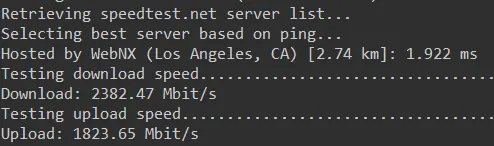
The 2019 data used Speedtest-CLI to observe the upload and download speeds from the server to the test node, and cited a case where a DC6 historical package had measured 2.5 Gbps.
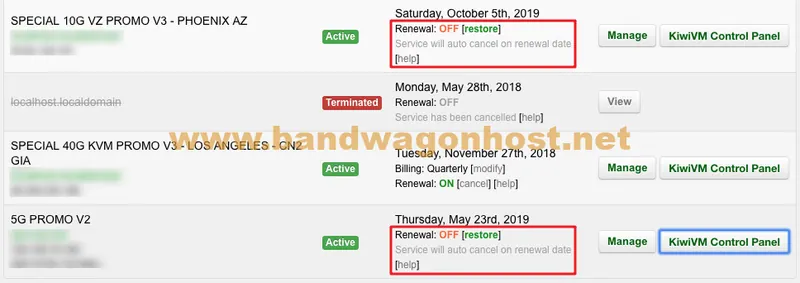
The source using "Renewal: OFF" indicates that the old panel has been disabled for future renewals.
In the old version of the account, a service being suspended but the bill is still payable is a different situation from a service being cancelled.
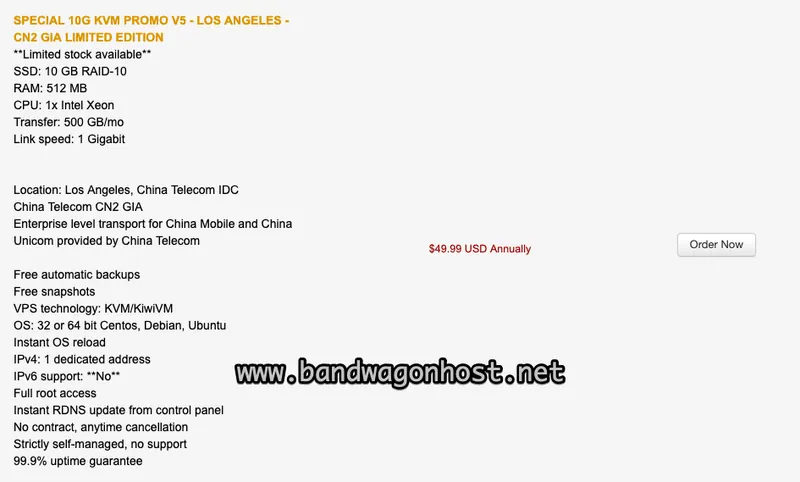
The two limited edition GIA laptops released in 2019 are similar in terms of memory and CPU, with the main differences being in bandwidth and migration range: the DC9 plan, priced at $39.99 per year, offers 300 GB per month, while the DC6 plan, priced at $49.99 per year, offers 500 GB per month.
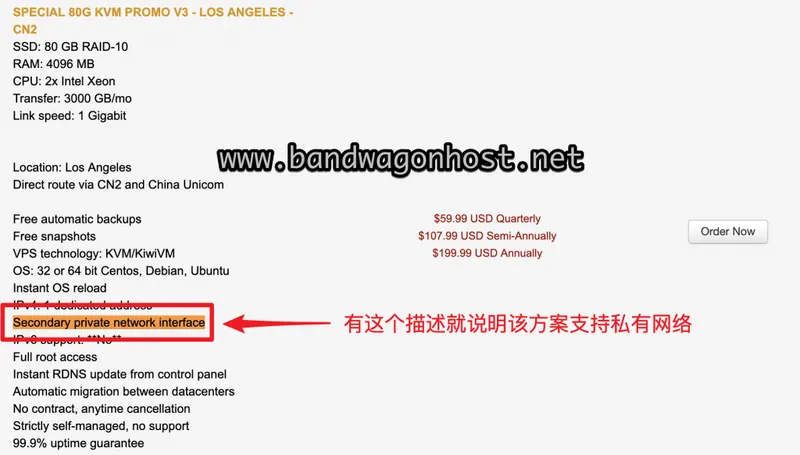
The April 2019 feature update renamed the private network interface to Secondary Private Network Interface.
Historical tests grouped the results with and without BBR enabled and checked the bandwidth separately.
The April 2019 release listing lists a DC6 limited plan with a 10 GB SSD and 500 GB of monthly traffic, with a historical annual fee of $49.99.
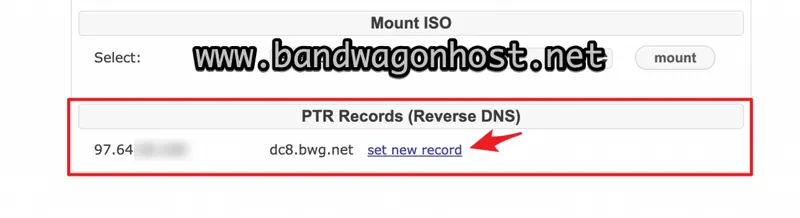
PTR is used to find the hostname from the IP address; the forward resolution of the domain name itself still needs to be maintained separately.
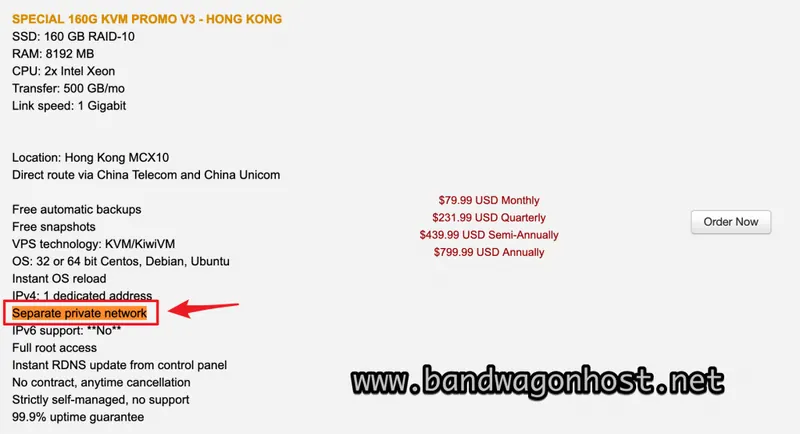
The 2019 dashboard update renamed this feature Separate Private Network, and the interface was later changed to Secondary Private Network Interface. It is designed for instances within the same data center and is used to establish private networks.
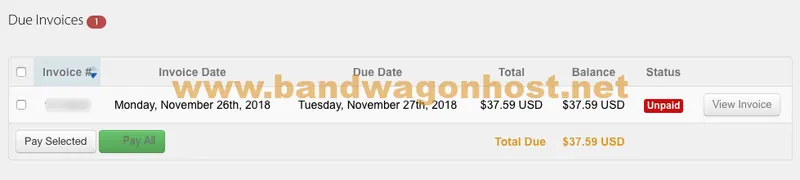
This FAQ breaks down renewal into eligibility, billing time, and payment entry, explaining when the bill was generated on the due date and reminding users to pay attention to the date difference between US time and Beijing time.
In the interface documentation from March 2019, Mount ISO provided mountable image directories.
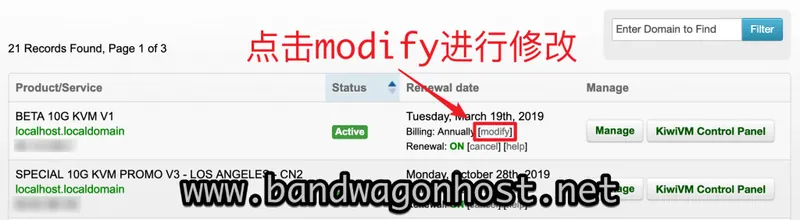
Modifications to the payment cycle may affect the original price and may also result in the loss of discontinued short payment options.