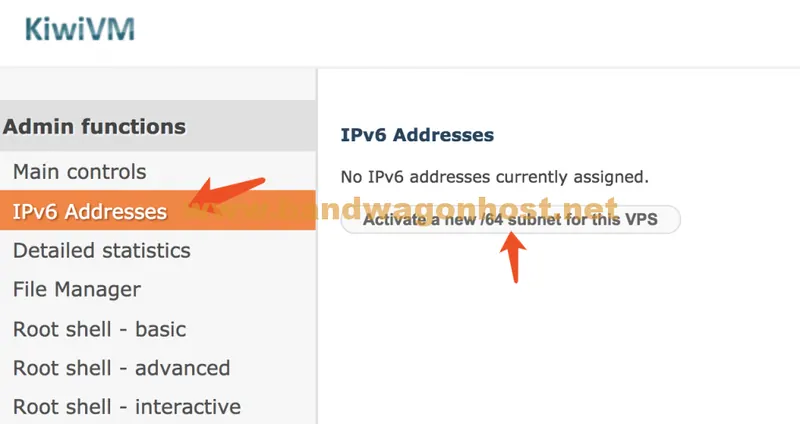
OpenVZ historical IPv6 configuration: How to identify the /64 subnet of KiwiVM
Older OpenVZ instances have a separate IPv6 address page within KiwiVM. Records from 2018 show that activating the /64 subnet required a reboot to take effect.
In the old directory, VZ stands for OpenVZ.
Before changing your service IP address, verify the instance and billing information. After completion, synchronously check domain name resolution, allowed lists, and monitoring.
The original tester used their own $46.99 annual subscription for testing, while also mentioning other entry-level prices.
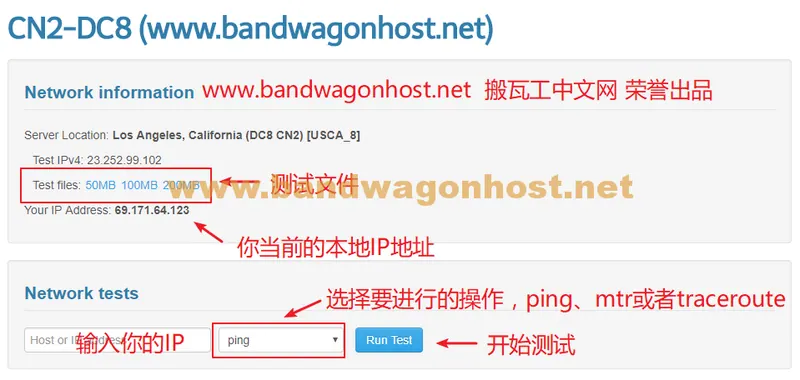
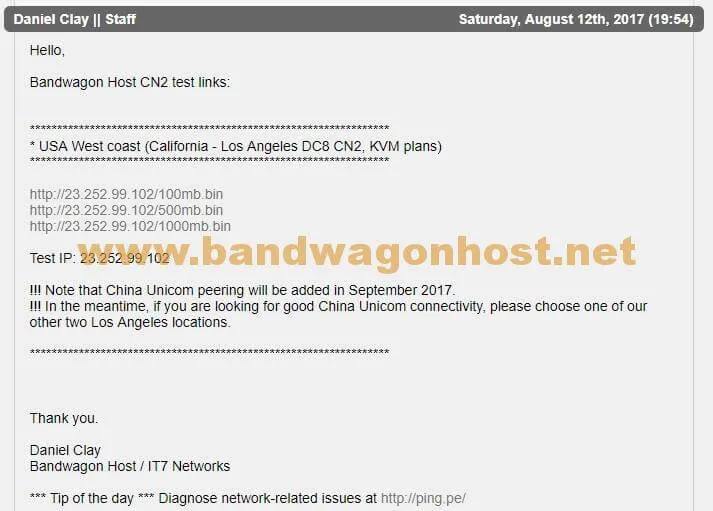
Based on publicly available testing resources for DC9, distinguish between test files, network throughput, and routing observations.
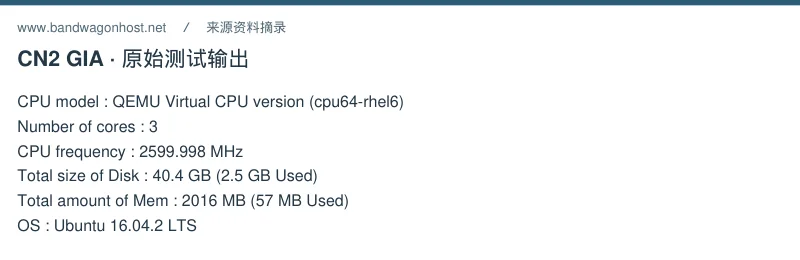
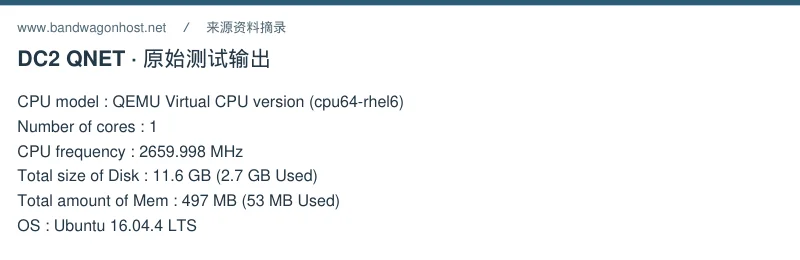
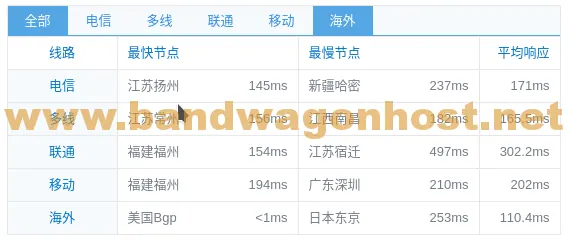
The early records also show the access paths of the three carriers and the hard drive performance of the newly deployed instance.
Record and monitor QNET performance after changes in access routes, including outbound, inbound, Ping, and download speeds.
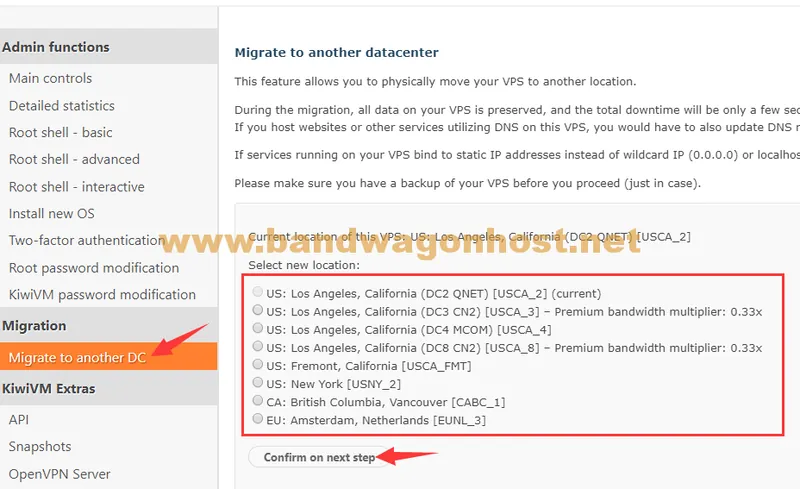
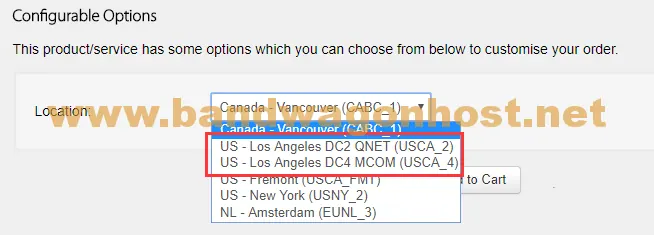
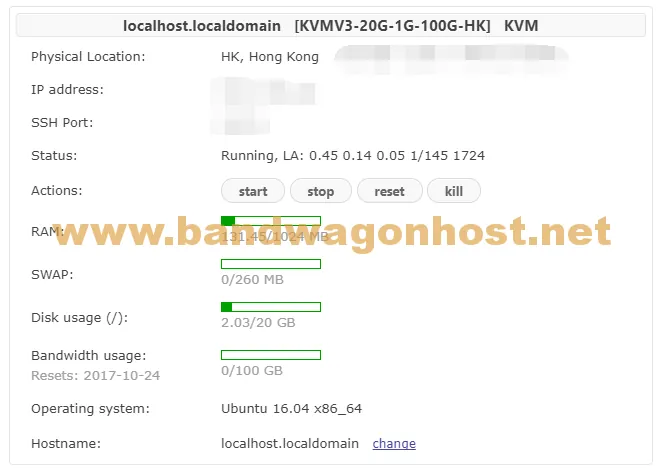
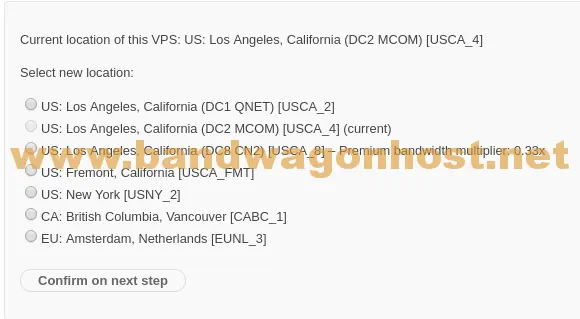
Select the available area in the panel, confirm the traffic multiplier, and verify the actual data center, network address, and service status after migration.
The outbound journey is the path from the visitor's device to the server, and the return journey is the path from the server back to the visitor's network. It's impossible to reconstruct the other direction of the carrier network from only one's own perspective.
The source updated the information for the two Los Angeles sites in November 2018, labeling DC3 as USCA_3 and DC8 as USCA_8, and recording the addition of SpeedTest.
A historical Phoenix instance with an annual fee of $11.99 was used to observe the single-shot effect of different network configurations.
In the product naming convention at the time, LOS ANGELES – CHINA DIRECT ROUTE corresponded to QNET/DC2, while LOS ANGELES – CN2 corresponded to DC8.
At the time, the test prototype achieved a single transmission speed of 101 MB/s, and the routing sample showed that the outbound and return routes went through PCCW.
The 2017 comparison used a portable 10G KVM PROMO instance, and after changing the data center, response time, network transmission, and disk read/write data were collected.
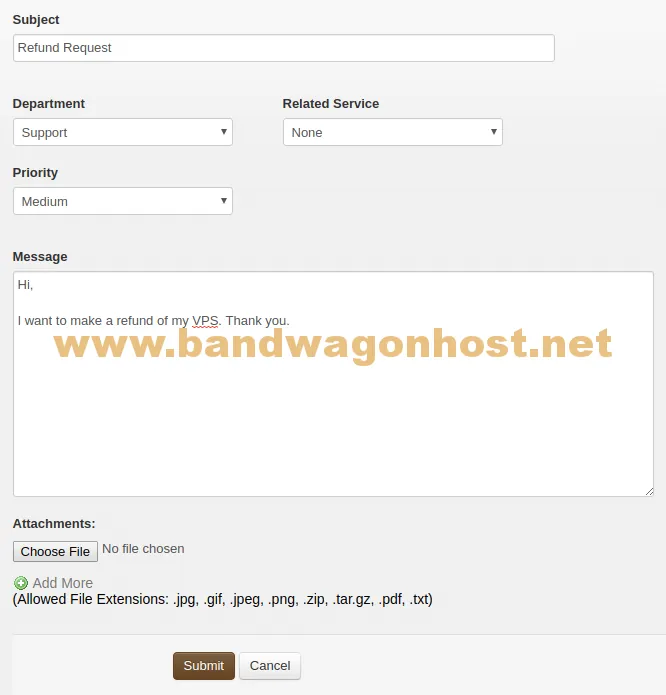
Cancellation of renewal, termination of service, and refund are different procedures. Back up your data first, then check the refund conditions applicable to your purchased service.
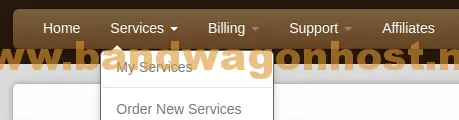
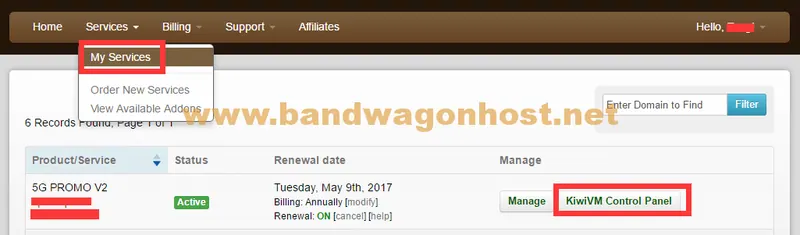
The source demonstrates selecting a service from the customer area and then choosing the Linux system on KiwiVM's Install new OS page.
The panel log from August 2017 showed that some standard KVM solutions that supported migration could be moved to the CN2 data center. The original document listed the adjustment condition as monthly traffic being one-third of the original after migration.
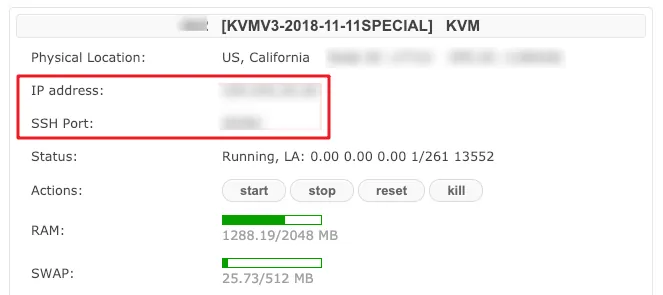
Read your host address and SSH port from the instance control panel, and verify the host identifier before the first connection.
The original records pertain to the CN2 route launch phase, at which time the access progress of China Telecom and China Unicom differed.
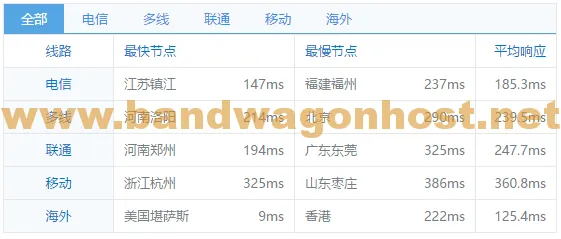
The test record was taken at 11 PM on September 22nd, and includes the educational network and the Shanghai test site. CPU and disk performance are also listed separately.
The old migration tutorial recorded that the control panel would prompt that the instance IP would change before confirming the target data center.